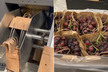
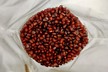
India's pomegranate‑aril exports are moving from being niche to strategic, and the focus is gradually shifting from the farm to the packhouse, as postharvest browning, moisture loss, microbial growth, and short shelf life continue to pose challenges during long‑haul transport, says Qadir Rangwala of Vista Packaging, based in Mumbai. "We're seeing processors struggle with how quickly arils degrade once they're separated from the fruit, especially on journeys to demanding markets. Without proper shelf‑life‑engineered packaging, significant volumes remain at risk of quality loss or rejection well before they reach the retailer."
Rangwala points to the perishable nature of pomegranate arils, even under cold chain conditions, where they lose moisture, change colour, and become vulnerable to mould and yeast growth within a narrow window. "This makes long‑distance exports risky and wasteful, as the arils can go from premium‑looking to downgraded or rejected in a matter of days, if the environment inside the pack is not controlled." According to him, processors using conventional films often see batches downgraded or rejected mid‑shelf, particularly in markets like North America, the Middle East, and Europe.
By tailoring in‑pack atmosphere conditions to the respiration rate of arils, exporters can extend shelf life, reduce waste, and maintain a consistent, visually appealing product for retailers and end‑consumers. "This is critical as India positions itself as a reliable, year‑round aril supplier rather than a seasonal, low‑margin volume exporter," Rangwala observes. Vista Packaging's solution is built around Modified Atmosphere Packaging (MAP) technology, combined with laser‑perforation of proprietary film structures.
 © Vista Packaging Pvt. Ltd.
"We start by measuring the respiration rate and moisture behaviour of arils, then design films with precise permeability to maintain optimal oxygen and carbon dioxide levels inside the pack," Rangwala explains. The benefits, he says, include extended shelf life under refrigerated conditions, reduced condensation and surface wetness, better colour and texture retention, and lower in‑pack spoilage and rejections, especially over extended sea‑freight journeys.
The packaging materials are food‑contact compliant and can be configured in recyclable structures, making the solution more sustainable by cutting food waste rather than simply shifting packaging formats," Rangwala notes, reporting steady adoption among exporters and packhouses across India. "Users see reduced waste and the ability to ship beyond the domestic season window, while retailers benefit from fewer markdowns and better‑looking arils on shelves," he adds.
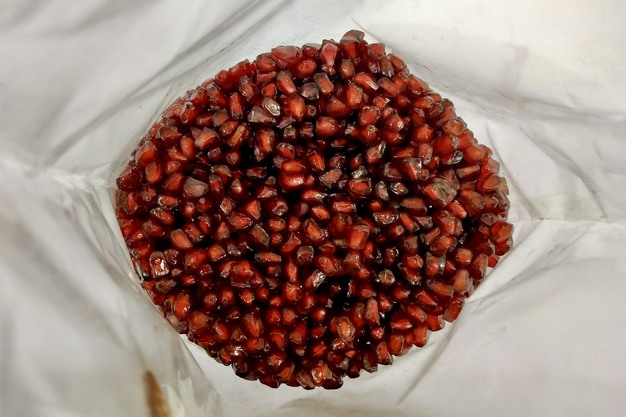
According to Rangwala, "The arils reach roughly 14 days, more than 50% longer than the 9‑day shelf life typically seen with standard films, showing about 2% less weight loss compared with conventional packs, with no visible signs of decay up to Day 15. Sensory quality parameters like colour, odour, and texture also remain well preserved.
As he sums it: "The real advantage lies in treating aril packaging as a complete system. It is not just the film, but temperature control, hygiene during processing, and matching film permeability to the product respiration rate." Vista's locally manufactured, shelf‑life engineered films, he says, allow Indian processors and exporters to move away from generic imports and build product‑specific solutions that align with global retailers' expectations. The packaging can also be exported as film rolls or finished pouches.
For more information:
Qadir Rangwala
Vista Packaging Pvt. Ltd.
Tel: +91 932 363 9633
Email: [email protected]
www.vistapackagings.com