The fresh fruit and vegetable industry is global by nature, connecting growers, shippers, packers, buyers, and sellers across borders. As supply chains become more complex, dependable and transparent business practices are more important than ever. The Fruit and Vegetable Dispute Resolution Corporation (DRC) supports this need by serving as a trusted reference point for fair, ethical, and reliable trade in the industry.
The DRC will attend the 2026 CPMA Convention and Trade Show in Toronto on April 28–29. There, attendees can learn about how DRC membership helps companies trade with confidence, prevent disputes, and build stronger supply chain relationships.
As a not-for-profit, membership-based organization, the organization promotes harmonized trading practices, responsible business conduct, and trusted dispute prevention and resolution services—helping reduce risk and uncertainty in perishable goods transactions.
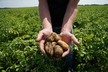
 © Vaclav Volrab | Dreamstime
DRC membership delivers practical, day‑to‑day value for exporters, importers, growers, shippers, packers, brokers, wholesalers, and retailers. Members benefit from:
- A global framework to rely on: Clear, consistent standards provide predictable guidance for both domestic and international transactions.
- A fair and efficient dispute resolution system: Through education, consultation, mediation, and arbitration, the organization helps members resolve issues early while preserving valuable business relationships.
- Increased credibility and reduced risk: Operating within a recognized set of rules minimizes misunderstandings, delays, and financial exposure.
- Stronger relationships and repeat business: Shared expectations encourage confidence, and confidence leads to long‑term partnerships.
The DRC framework is built on four core components that guide every stage of a transaction. Widely recognized across the industry, these standards help simplify trade from origin to destination.
- Trading Standards: These standards outline contract expectations, responsibilities, timelines, payment terms, and expectations regarding business integrity so that each party clearly understands its obligations.
- Transportation Standards: Because produce quality can be greatly affected by logistics, our transportation standards define best practices for loading, temperature control, carrier responsibilities, and documentation. They help prevent issues related to handling and transit conditions.
- Good Arrival Guidelines: These guidelines specify what constitutes an acceptable arrival condition, accounting for commodity type, transit time, and normal deterioration. They provide a practical benchmark that protects both buyers and sellers.
- Good Inspection Guidelines: When concerns arise, inspections must be objective and reliable. To protect themselves, companies should follow our guidelines to ensure that inspection reports have an appropriate evidentiary value of the condition of the product at the destination.
As produce flows through increasingly complex supply chains, the organization equips companies with the structure, expertise, and confidence they need. Whether entering new markets, strengthening partnerships, or looking to reduce risk, it supports trade defined by clarity, predictability and professionalism.
Visit the DRC at booth #124.
 For more information:
Nicole MacDonald
Fruit and Vegetable Dispute Resolution Corporation (DRC)
Tel: (+1) 613-234-0982
[email protected]
www.fvdrc.com