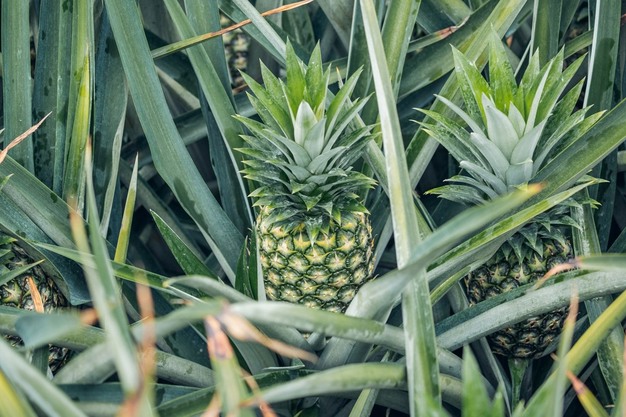
The supply of pineapples continues to be tight. "Weather-related constraints across Costa Rica have disrupted planting and harvest schedules, reduced export volumes, and led to variability in size and quality. The industry continues to flag limited availability heading into Q4 2025 and Q1 2026," says Fyffes North America CEO Juan Alarcon.
 © Fyffes
Compared to last year, the supply is a little tighter than late 2024. Trade reports through 2025 have projected decreased availability and there are firmer markets versus last year due to weather pressure in Costa Rica, the major pineapple shipper to both North America and Europe. In North America, it accounts for approximately 90 percent of imported volume, with the remainder coming from Honduras, Guatemala, and to a lesser extent, Ecuador. So with weather conditions wetter on the Caribbean/Atlantic side of Costa Rica, La Niña-leaning patterns are increasing rainfall risk into late 2025. "This aligns with observed storminess and ongoing field disruptions in key growing regions," says Alarcon.
State of logistics
However in logistics, the Panama Canal conditions improved versus 2024's worst bottlenecks, which helps transit reliability. Even so, traffic has not consistently returned to historic highs which has the company keeping some buffer in schedules.
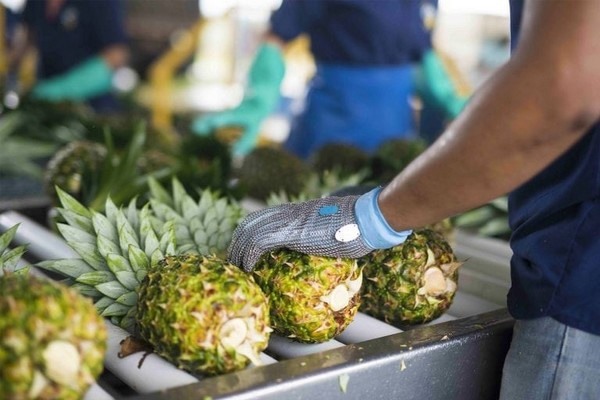
As for demand, it is staying strong for pineapples across both retail and foodservice channels, thanks in part to the steady availability helping fuel consistent year-round consumer interest. "Promotional activity continues, although tight supply is limiting the depth of features in some markets. Overall, movement is expected to remain solid whenever product is available," says Alarcon.
 © Fyffes
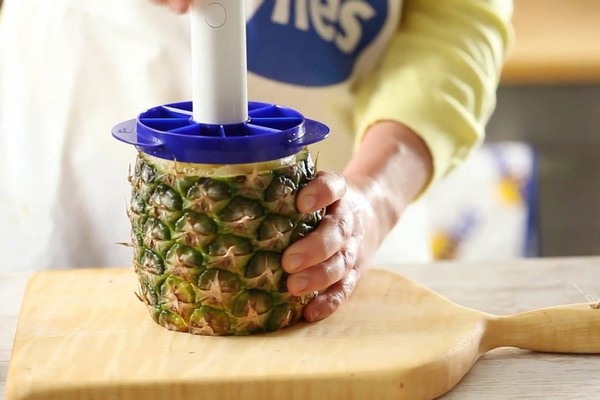
That said, pineapple consumption still has a lot of room to grow. Increasing general knowledge about how to cut, store, and prepare pineapples is essential to encouraging more frequent purchases. "Many shoppers still hold misunderstandings about how to select the fruit, such as judging only by shell color, smell, or the appearance of the crown, and it is very common that consumers are unsure whether a pineapple is ready to eat immediately after purchase. Addressing these myths can greatly improve the overall shopping experience and ensure consumers enjoy pineapples at their best flavor and quality," says Alarcon. "There is also a strong opportunity to educate consumers about the cutting and preparation process. Many consumers avoid buying whole pineapples because they perceive the preparation as time-consuming or difficult. By providing clear, simple instructions, for example, through in-store signage, packaging, or short video demonstrations, the industry can make pineapples feel more approachable and convenient."
Attractive juice prices
In the meantime, demand is also strong in juice-processing. "Growers are receiving attractive prices for juice-grade fruit, and at certain market levels, it is more profitable for them to sell to processors rather than the fresh export market," says Alarcon. "The juice-processing sector has become a strong alternative for growers, offering key advantages that have pushed prices into more grower-favorable territory. Juice processors often pay faster than export buyers and accept a wider range of fruit sizes and appearances, reducing the risk of rejections or claims. Elevated global demand for pineapple juice has led processors to sign annual contracts at attractive prices, creating reliable, stable demand."
 © Fyffes
In turn, that has pulled a significant volume of fruit away from the fresh export market, particularly smaller calibers, tightening overall supply and supporting higher prices for growers. Generally pricing is looking more favorable to growers compared to a year ago due to those factors as well as limited availability of smaller sizes.
Another factor in pricing is that pineapple production continues to consolidate, with fewer but larger growers who are in a stronger position to influence pricing. "Many growers are balancing between contract commitments and open-market sales, taking advantage of opportunities in the spot market when conditions are favorable. There were times this year when growers sold fruit at prices $5–$6 above their contract commitments," says Alarcon.
Looking ahead, the pineapple supply will remain constrained with continued limited sizes availability, occasional size substitutions, and uneven arrivals through the remainder of the year as wet weather persists in the area. All of this means that there will likely be a very tight market in Q1/2026. "Pricing dynamics will likely continue to reflect a market in which growers retain the advantage, supported by juice-processing sector demand, and controlled fresh-market supply," says Alarcon.
 For more information:
Fyffes North America, Inc.
Tel: +1 (305) 445 1542
https://www.fyffes.com/