There are hopes for a better Turkish stone fruit season this year, compared to the last season, says Aysel Oguz, Commercial Manager for Turkish fresh produce grower and exporter Anadolu Etap: "After a challenging previous season, expectations for the upcoming spring stone fruit campaign are cautiously optimistic. Compared to last year, the industry anticipates a more balanced season, particularly for key products such as apricots and cherries, which were heavily affected by adverse weather conditions."
 © Potentieel
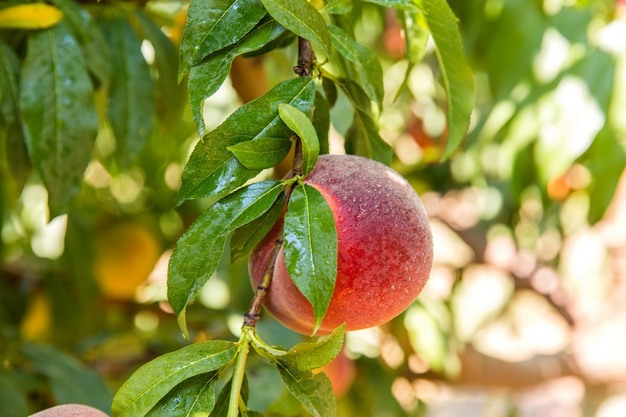
Last year, weather conditions made the stone fruit season particularly difficult, Oguz states. "In April 2025, an unexpected agricultural frost caused significant crop losses across major stone fruit regions, with apricots and cherries among the most impacted varieties. These losses not only pushed domestic prices upward but also substantially reduced exportable volumes, tightening supply in international markets. While current conditions suggest improvement, it is still too early to make precise forecasts. The risk of late spring frost remains a structural challenge for growers, one that has become increasingly familiar in recent years."
Dealing with extreme weather conditions is a factor that Turkish fresh produce growers will simply have to deal with, Oguz emphasizes: "Climate volatility is no longer an exception but a new normal. Encouragingly, many growers have learned from recent experiences and are now better prepared to respond. Preventive measures, risk mitigation strategies, and rapid-response technologies are increasingly seen not as optional investments, but as necessities to protect yields and ensure continuity. While extreme weather cannot be fully controlled, its impact can be reduced through preparedness and informed agricultural practices."
 © Potentieel
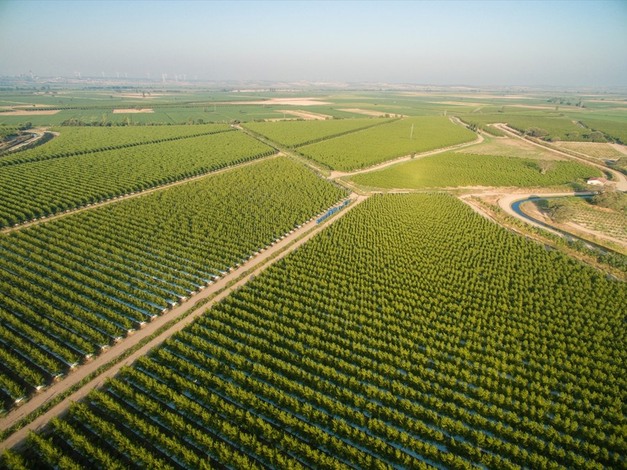
Over the past decade, the dynamics of stone fruit cultivation have undergone a notable transformation, Oguz explains. "To improve productivity and quality, growers have been renewing orchards, shifting toward modern high-density plantations, and selecting stronger, more resilient varieties. Consumer preferences have also played a decisive role in shaping these changes. Nectarines and flat peaches, for example, have gained prominence thanks to their strong acceptance in the domestic market and growing demand from international buyers across multiple regions."
"We're actively part of this transformation. Our company continues to renew its orchards where needed and invests in modern agricultural technologies, including mechanical harvesting systems, anti-frost sprinkler solutions, and wind machines designed to mitigate frost risk. Beyond productivity, Anadolu Etap places strong emphasis on sustainable agriculture practices aligned with global standards. Advanced orchard management techniques are applied to improve resource efficiency, while carbon and water footprints are continuously monitored with clear reduction targets in place," Oguz concludes.
Anadolu Etap will be exhibiting at Fruit Logistica. You can find their booth in Hall 27, stand E-15.
For more information:
Aysel Oguz
Anadolu Etap
Tel: +90 535 366 3983
Email: [email protected]
www.anadoluetap.com