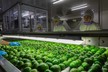
Even though everything was sold and prices 'came out in the wash', an outdated dollar and cost inflation reduced this bulb's profitability. In 2006 some 2,800 hectares were cultivated. Now, there are around 700 acres.
In a moment when they are getting ready to sow for next season, garlic production in Argentina is going through a rough patch, especially in the province of San Juan.
Gone are the days when San Juan cultivated 2,800 hectares of this bulb and some 17,000 people, between direct harvest labor and packing, were working and 21,000 tons of garlic, in bulk or packed for markets abroad were traded.
Of course, this was in the 06-07 season, a moment when the 2002 devaluation was still benefiting the country and there was a relative exchange rate that was favorable, Argentina was cheap and the fruit and vegetable sector of the world was doing business in this country.
Then came the drought and cost inflation. Both the macroeconomic and climate phenomena became a kind of grip on a sector that is, now-a-days, living a sort of extinction.
The succession of irrigation water shortage campaigns forced producers to relocate crops in areas where water was 'guaranteed', such as the channel ends. In many cases, the use of wells became mandatory, increasing costs. Finally, the lack of water resources was noticeable in the last 2 campaigns when garlic volumes decreased.
The rise in prices of supplies for the production has become an unsustainable factor. One can only remember that in 2001 a bag of urea was about US $12, while today, at the official exchange rate, it costs around US $40.
Labor: This is a cost component that has not only become expensive, but, over the years, has become scarce and of poor quality. Other activities such as mining have absorbed large numbers of workers due to their better wages and the fields has taken the social role of absorbing labor than other sectors discard.
A Question of Numbers
Generally speaking there will be a 35-40% surface reduction for this season. Producers and industry professionals explain that even though there was a sustained supply and demand for the product throughout the world, international markets were not predisposed to recognize an "expensive" Argentina.
For example, last season, the FOB value of sending a 10kg per box of garlic through the port of Buenos Aires was of US $25 or US $24 if it was shipped through the port of Valparaiso. But, at these prices, fruit and vegetable traders didn't feel compelled to recognize San Juan's effort and speculated that the Brazilian market purchases were receding when the final price for a 10kg per box was between US $27 to 32. Producers recognize that the cost should not have been higher than US $22. The local exchange rate lag forces them to lose money.
For these reasons garlic crops are disappearing and people in the sector are discouraged from ensuring that there will be more than 700 hectares of this bulb in the province this season. As such, demand for labor in this sector will fall from about 17,000 workers to about 4,200. A sector that, annually, billed an average of US$ S40 million and mobilized an average of 14,000 tons over the past 15 years, the equivalent to 780 containers, making it the main horticultural export product.
Source: Diariodecuyo