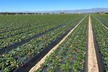
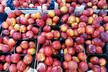
Aragon has established itself as a major hub for stone fruit production, both in Spain and globally. The Ministry of Agriculture's 2024 data show the region has 32,927 hectares devoted to these crops and produces approximately 360,000 tons each year, making it a leader in both area and output.
This segment holds a significant role in Aragon's agri-food sector, which generated over 3,784 million euros in 2024, accounting for 28% of the region's final agricultural output. Nationally, Aragon is the top cherry producer with 41% of the total, and ranks second in peach (34%), nectarine (23%), apricot (17%), and pear (18%). Its international presence is notable, with exports surpassing one million tons to markets including France, Germany, and the United Arab Emirates.
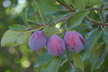
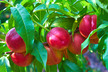
Aragon's most representative products include Calanda peaches, well known for their flavor and quality, and cherries from regions such as Calatayud, Aranda, Jiloca, and Bajo Aragón. Other outstanding products include apricots from Bajo Cinca, donut peaches from La Litera, and plums from the mid Ebro valley, enhancing the diversity and value of the regional produce.
The sector highlights the economic and social significance of these crops. Javier Basols, president of the Fruit and Vegetable sector of the Agrifood Cooperatives of Aragon, states that this sector creates jobs, stabilizes rural populations, and is well regarded in the markets. However, he also notes a decline in consumption over recent years, a trend they are attempting to reverse through promotional and communication efforts.
Beyond stone fruits, almond trees have become more significant over the past decade, with a 20% growth in area to 92,000 hectares. This expansion is driven by both industrial demand and the ease of mechanisation and conservation. However, the crop faces risks, particularly from climate change, frost, unpredictable weather, and market pressures, including foreign competition and fluctuating prices.
Alternative crops are also gaining popularity. Pistachio cultivation has grown significantly in recent years, now surpassing 2,000 hectares, and shows promising potential for further expansion as a more profitable option compared to traditional crops like cereals or vines.
Soya is also gaining ground, though its adoption remains limited. It currently covers more than 700 hectares in Aragon, with plans to triple its area next season thanks to sectoral agreements, which would reinforce the region's role as the main national producer.
Maize, rape, leguminous plants, and persimmons are also emerging as promising options for future development.
Source: heraldo.es