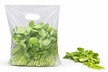
Highly perishable produce, like leafy greens, can benefit greatly from packaging to extend the shelf life, says Dr. Moturu, CEO and Co-Founder of fresh produce packaging manufacturer PeelON.inc: "Fresh produce supply chains have long depended on cold storage to maintain quality, especially for highly perishable items like leafy greens. However, rising costs, inconsistent infrastructure, and handling challenges continue to create losses across distribution networks. Our new approach is exploring whether packaging itself can play a more active role in extending shelf life, even at room temperature."
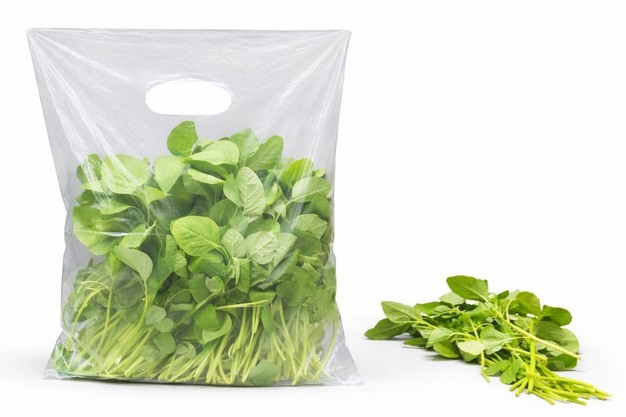
One of the biggest issues in fresh produce distribution, particularly for leafy greens, is how quickly quality deteriorates outside controlled environments, Moturu states. "In many cases, produce moves through multiple handling points, harvesting, packing, transport, and repacking, where temperature and humidity fluctuate. Even short exposures to ambient conditions can lead to moisture loss, wilting, or microbial spoilage. The goal with this packaging is to maintain product quality for an additional two to three days at room temperature, reducing dependence on strict cold-chain conditions."
 © PeelOn Inc.
Moturu feels the industry is ready to move on to a new form of packaging: "Most conventional packaging is passive; it protects the product but does not actively manage the internal environment. Our approach is to create a microclimate within the package that regulates the moisture levels, gas exchange, including oxygen and ethylene, and finally the surface conditions that influence microbial growth. This helps slow down the natural deterioration process, especially for high-respiration crops like leafy greens."
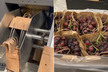
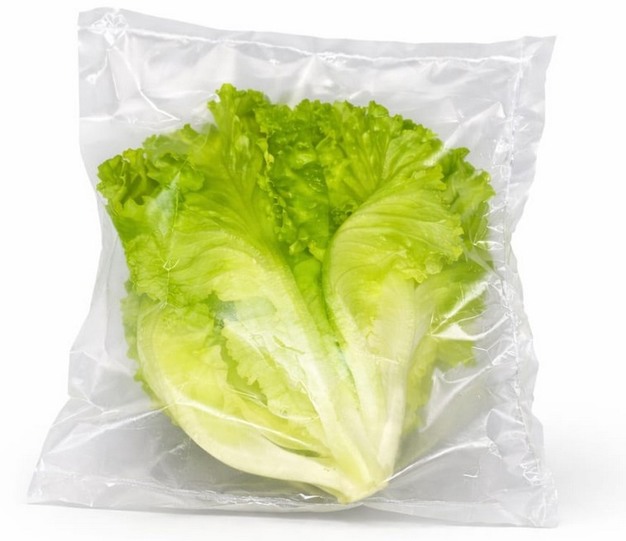
"Early trials have shown that leafy greens can maintain acceptable freshness for up to three additional days at room temperature, depending on the crop and handling conditions," Moturu continues. "This has been particularly relevant in short-distance transportation without refrigeration, retail display conditions, and temporary storage during distribution bottlenecks. The packaging does not replace cold storage entirely, but it provides a buffer against temperature breaks, which are common in real-world supply chains."
 © PeelOn Inc.
Leafy greens are the primary focus for this packaging due to their sensitivity, but Moturu emphasizes that the scope can be larger than that: "The use cases extend across several points in the supply chain retail packaging, where products are displayed outside refrigeration for limited periods, last-mile distribution, particularly in urban delivery systems, as well as transit buffers, where delays or temperature fluctuations occur. In these scenarios, even a one-to-three-day extension in shelf life can significantly reduce shrink and improve product quality at the point of sale."
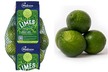
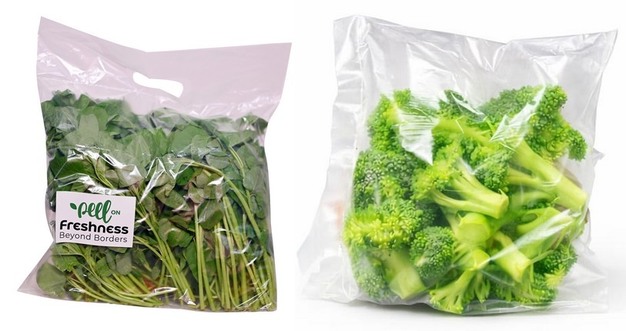
The packaging is designed to integrate into current packing and distribution systems, allowing operators to adopt it without major process changes, Morutu explains. "Instead of replacing infrastructure, it acts as an additional layer of protection, especially during weak points in the supply chain. Beyond shelf-life extension, the material is designed to be home-compostable, offering an alternative to conventional plastic packaging. For many supply chains, the challenge is balancing performance with sustainability. The approach here is to address both, reducing food waste while also reducing reliance on plastic materials."
 © PeelOn Inc.
"The current focus is on expanding trials across different crops and retail formats, while working with supply chain partners to understand where the most consistent value can be delivered. As the industry continues to look for ways to reduce waste and improve efficiency, packaging is increasingly being viewed not just as a protective layer, but as an active component of the supply chain," Moturu concludes.
For more information:
Dr. Taraka Ramji Moturu
PeelON.inc
Tel: +1 (956) 315 3151
[email protected]
https://peelon.co/