As we head into the final weeks of the year, availability for Polish apples traditionally goes down, as is the case this season, says Jan Nowakowski, manager of Polish apple distributor Genesis Fresh: "As the European apple season progresses toward its winter phase, Polish exporters are navigating familiar seasonal dynamics, combined with shifting demand patterns both locally and abroad. November and December traditionally mark a period of tighter availability, and this year is no exception."
According to Nowakowski, the storage in cold stores and CA storage plays a major role at this time of year. "Early in the season, fruit moves primarily from standard cold stores. However, as we enter late autumn, the transition to controlled-atmosphere (CA) storage reduces immediate availability. Growers tend to hold CA fruit longer, while prioritizing the sale of apples with lower pressures, which naturally limits volumes on the market. This seasonal switch consistently creates a softer supply window at the end of the year."
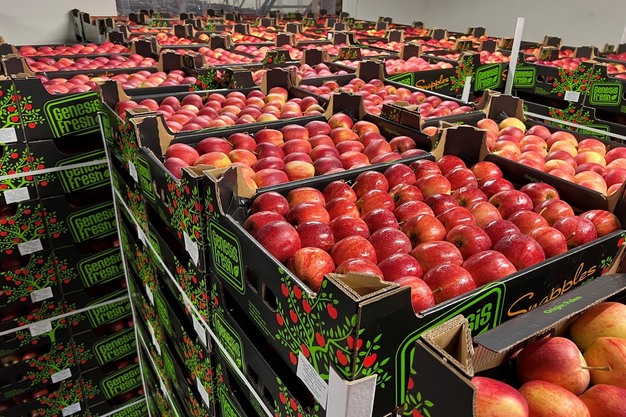 © Genesis Fresh
"Demand has been solid since the beginning of the season, supported by both domestic consumption and strong overseas interest. Markets such as India and Colombia have shown a stable appetite for Polish apples, contributing to a healthy export flow despite some regional fluctuations," Nowakowski states. "One of the notable challenges for exporters is the relatively high volume of apples available across Europe. Combined with strong local loyalty in many countries, where consumers and retailers prefer domestic apples first, this creates increased competition for shelf space. As a result, accessing EU markets has been steady but cautious."
Although the high volumes of apples in Europe slow down trade on that continent, Nowakowski sees plenty of alternatives on other continents: "Despite the slower movement within Europe, overseas markets continue to drive much of the momentum. Demand remains particularly strong from the Far East and the Middle East, and Egypt has emerged as a significant buyer this season. European markets are importing at a slower but steady pace, ensuring a continuous, if moderate, flow."
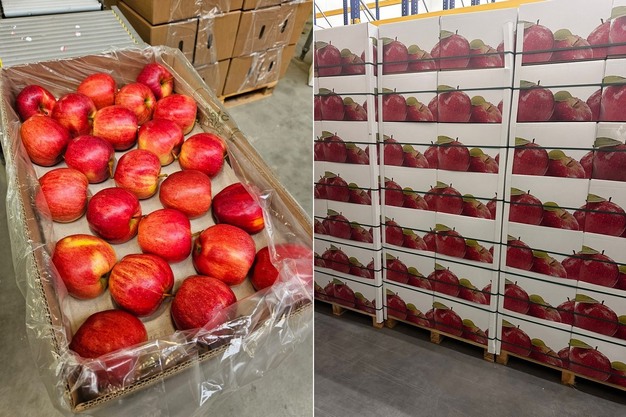 © Genesis Fresh
Nowakowski says that the current prices are more balanced after the season started with higher prices. "At the start of the season, growers' high price expectations temporarily slowed down demand and created pressure across the supply chain. Over time, prices adjusted downward, bringing the market closer to balance. Currently, demand is improving, and prices remain lower than in the last two seasons. The processing sector is also experiencing good availability of both domestic and imported apples. Prices for industrial fruit are lower than last year, and demand from local processors in Poland is strong, even as export demand for processing apples remains subdued at this stage of the season."
"Quality remains one of the strongest advantages this year, with Polish apples showing good colour, pressure, and taste. Exporters are not concerned about the fruit itself. The key uncertainty is market stability. The season so far has been quieter compared to last year, particularly in terms of export movement. However, exporters anticipate stronger demand after the New Year as overseas programs resume and European consumption patterns shift. Hopefully, the second part of the season will bring the momentum we expect," Nowakowski concludes.
For more information:
Jan Nowakowski
Genesis Fresh
Tel: +48 223 783 405
Email: [email protected]