Indonesia's fresh ginger export sector is entering the new season on a firmer footing, with more stable supply and quality from key growing regions in Java, says Ndaru Setyaningrum of Tropifres Alam Raya. "Availability is slightly better than last year, helped by more favourable weather and increased planting by growers in East Java. Production in the main areas we source from has risen by an estimated 10–12%, giving exporters greater confidence in planning export programmes and supplying customers consistently over the year."
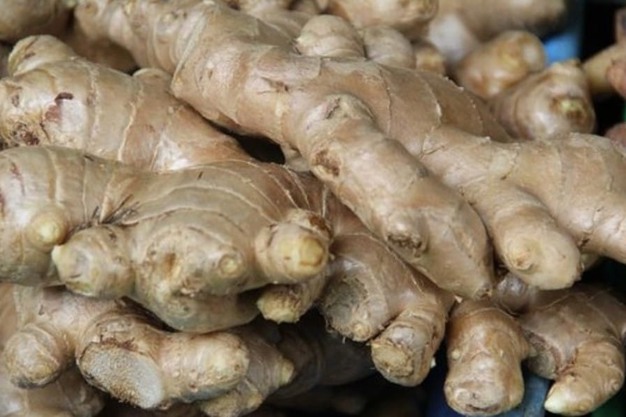
Ndaru explains the main varieties of ginger available for export markets: "The dominant export varieties from Indonesia are Ginger Emprit, a smaller white ginger, and Ginger Gajah, a larger yellow type that is known for its size and shelf-life. Both are valued for their strong aroma, high essential oil content, and suitability for both fresh and processing markets. Smaller volumes of Jahe Merah (red ginger) are also shipped mainly to buyers in the herbal and pharmaceutical industries rather than mainstream fresh channels."
 © Tropifres Alam Raya
According to Ndaru, quality-wise, the ginger is firmer and cleaner at the farm level, supported by better agronomic practices adopted after last year's more erratic weather conditions. "On the export side, Tropifres has invested in washing, brushing, and grading to align with buyer expectations of maintaining root freshness through longer transit times." She remains confident that Indonesian ginger can become a reliable choice in global markets, traditionally dominated by China and India.
Price levels have remained relatively stable compared with last year, which Setyaningrum describes as positive for both farmers and overseas buyers. "Farm-level prices are around USD 1.7 to 2.8 per kg. Stable pricing and improved supply are supporting Tropifres' expansion plans into new destinations in Eastern Europe and the Middle East. We are preparing programmes for Poland, Romania and the Czech Republic, while also targeting the UAE, Saudi Arabia and Qatar, alongside existing customers in Asian markets and selected European countries," she adds.
 © Tropifres Alam Raya
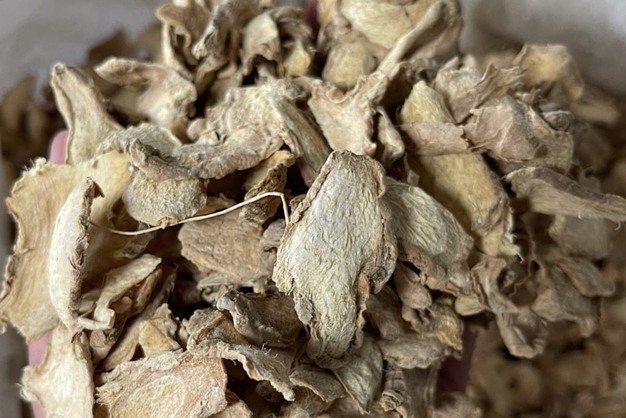
Setyaningrum highlights that logistics and compliance continue to present challenges, particularly during the monsoons and amid tightening import regulations in destination markets. "Tropifres is responding by working more closely with growers on post-harvest handling and by developing value-added formats such as dried slices and ginger paste for buyers who require longer shelf-life and reduced waste. We are looking to build longer-term partnerships and strengthen the position of Indonesian ginger in global supply programmes," she concludes.
For more information:
Ndaru Setyaningrum
Tropifres Alam Raya
Tel: +62 87 705 486 200
Email: [email protected]
www.tropifresglobal.my.id