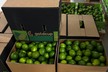
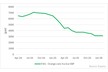
After seven consecutive years of decline, Peruvian Minneola tangelo exports increased again in 2025. Sergio del Castillo Valderrama, the general manager of the Peruvian Citrus Producers Association (ProCitrus), emphasized that this year marks the first increase since 2018.
Peru exported 9,604 tons of Minneola tangelo between the start of the season and week 33 (August 16), which is 28.76% more than the 7,459 tons exported during the same period in 2024.
Last year, exports reached 7,459 tons. In 2023, they stood at 8,707 tons. In 2022, they totaled 11,864 tons. In 2021, they amounted to 17,000 tons; in 2020, around 18,000 tons; and in 2019, approximately 19,000 tons. The decline began after 2018, when shipments were 23,000 tons. Exports peaked between 2012 and 2015, with 30,000 tons exported in 2021 and 33,000 tons in 2021.
Del Castillo explained that, although it is a niche market with strong demand, it is very small, and any oversupply causes prices to fall. Besides Peru, Uruguay and South Africa also sell Minneola tangelo, he said.
Currently, the country has about 500 hectares of this crop, mainly in Ica (Chincha) and Lima. However, the planted area has been decreasing in favor of the W. Murcot mandarin, which shares the same harvest schedule but yields better market results and higher prices.
The Minneola tangelo was affected by weather and market forces, but it appears to have already hit bottom and experienced a strong rebound this year, he said. Over the past two years, prices have been attractive. However, in previous seasons, they were lower than those of Satsuma, one of the citrus varieties with the lowest profitability, leading to its replacement, he added.
The current price is attractive due to the low trading volume. However, he warned that a large supply could drive prices down again.
Source: agraria.pe