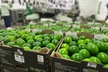
India's orange import market has rebounded in 2025 after war-related tensions along the Suez Canal delayed Egyptian shipments in 2024. Diverse sourcing now ensures a steady supply, while strong import growth reflects demand for global citrus varieties. Devanshu Kalra, owner of fresh produce importer Radha Krishan Fruit Company, says, "Egyptian oranges peaked across Q1 and Q2, followed by steady South African volumes."
"Egypt dominates with 80% of orange imports, favored for competitive pricing, thick peels, and long shelf-life. Egyptian oranges are valued for their affordability and durability in distribution," Kalra explains. "South African Valencias appeal to premium markets in southern and western India due to their sweetness and juice content. Australian mandarins, though smaller in volume, are gaining traction in metro cities for their rich flavor and easy-peel convenience. These three origins drive India's citrus import growth," he adds.
 © Radha Krishan Fruit Company
According to Kalra, maintaining quality and navigating logistics remain tricky. "Cold-chain fragility during long transits risks fruit quality, while port inspection delays and volatile freight rates add pressure. Import tariffs averaging 33% are also cutting margins", he mentions. His company counters these challenges by pre-booking reefer containers, partnering with certified cold storage providers, and working with clearing agents specializing in perishables.
On the consumer front, trends show a shift toward year-round citrus demand, particularly in urban and semi-urban areas. "Seedless and easy-peel varieties like mandarins are increasingly popular among health-focused buyers," Kalra observes. "Tier 1 retailers prioritize branded, pre-packed oranges with barcodes for traceability, as e-commerce platforms see rising demand. Tier 2 and 3 cities are also embracing imported oranges, driven by higher incomes and better supply chains," he adds, highlighting the Indian market's evolution beyond seasonal consumption.
 © Radha Krishan Fruit Company
Looking ahead, Kalra expects market shifts. "With Egyptian volumes slowing and South African inventories tightening, we anticipate a price rise. Potential tariff benefits for Australian oranges could boost mandarin imports, but El Niño-related weather and rising freight costs may create supply tension by late Q3," he predicts. Kalra's company will be expanding its refrigerated logistics network and increasing forward sourcing commitments to manage these swings. He also sees potential in new origins like Spain and Australia to bridge seasonal gaps and enhance supply diversity.
"India's orange import market has moved beyond a niche that supplements domestic fruit to a well-structured category. This category is poised to expand beyond metro markets, supported by digital retail and robust logistics. What is now needed is consumer education and origin branding to help buyers understand the difference between a Navel and a Valencia," he concludes.
For more information:
Devanshu Kalra
Radha Krishan Fruit Company
Email: [email protected]
www.rkfc.in