A survey by Hort Innovation Australia found that 97 per cent of avocado buyers admitted to squeezing them before buying them. Even worse, on average, avo buyers squeeze tested three times more fruit than they actually bought. So while avocado growers and retailers are working hard on looking after avocados carefully before they got to shoppers, it turns out being exposed to shoppers was the most dangerous time for an avocado.
Lead researcher Professor Daryl Joyce said squeezing, or as he called it "compression events", generally caused enough damage to bruise the fruit flesh and it took about 24 hours for the bruising to develop and became visible: "It has been found that shoppers typically apply compression forces ranging from 3 to 30 Newtons to firm-ripe avocado fruit when assessing ripeness."
According to Joyce, a ‘slight’ thumb compression of 10 N applied to a firm-ripe fruit caused bruising to appear within 48 hours at 20oC. But buyers don't link the problem of bruised fruit to handling by other people.
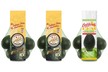
New Zealand Avocado chief executive Jen Scoular said avocado squeezing before buying was a problem in New Zealand. She said Australia had avocados sold in different trays depending on whether they were ready-to-eat-now, eat in 1-2 days or eat in 3-5 days. That had boosted sales but it was more work for retailers.
This was trialled in New Zealand a few years ago and worked well, but erratic sales had made it too much effort for retailer to keep going. On a sunny day, for example, sales of ripe avocados could be suddenly four times higher because everyone wanted a salad.
According to stuff.co.nz, another way to tell ripeness that horrified the avocado industry was pulling off the stem and looking into the hole. The revealed the colour of the fruit inside. But Scoular said doing this before buying, and leaving it, left a damaged avocado for someone else to buy, or to be wasted. "The stem is part of the avocado. We don't snap the stalk of the broccoli off before buying it, or take the stalk off the apple.”