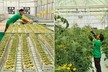
In Morocco's Souss-Massa region, migrant workers from sub-Saharan Africa are increasingly employed in greenhouse horticulture, contributing to fruit and vegetable production for export markets in Europe and West Africa.
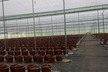
In the Chtouka plains, around 24,000 hectares of greenhouse production account for more than four-fifths of Morocco's fruit and vegetable exports. Agricultural exports increased by 3.6 per cent to US$4.5 billion (R73.8 billion) last year.
Labour dynamics in the sector are changing. Some migrants who initially intended to travel to Europe are instead working in Moroccan agriculture. At the same time, rural Moroccan workers are moving to urban areas for employment in construction and services, contributing to a decline in agricultural labour availability.
Official data shows that agriculture has lost 1.7 million jobs since 2000, with around one in four Moroccans now working in the sector, compared to half two decades ago. Remaining workers often seek higher wages or prefer piecework arrangements, with daily earnings reaching up to US$55 (R902), compared to lower wages for migrant workers.
Farmers have increasingly shifted to labour-intensive crops such as strawberries, raspberries, and blueberries. "Without Sub-Saharan labour, a number of farms could have shut down or been forced to reduce output," said Abdelaziz El Maanaoui, head of a producers' association in the Chtouka plains.
Much of the migrant workforce operates informally, although more than 50,000 migrants have obtained legal status since 2013. Farmers have called for simplified procedures to support legal employment, as labour shortages are expected to continue.
"Once people get used to urban life, it is hard to bring them back to work on farms in rural areas," said Rachid Benali, head of the national farm producers' confederation, COMADER. He added that labour shortages could affect competitiveness. "Morocco no longer has the advantage of cheap labour."
Population growth in areas such as Ait Amira, where greenhouse production is concentrated, reflects the increased presence of migrant workers. Some migrants intend to remain in Morocco, while others continue to view Europe as a future destination.
Source: TimesLive