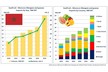
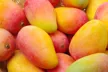
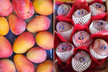
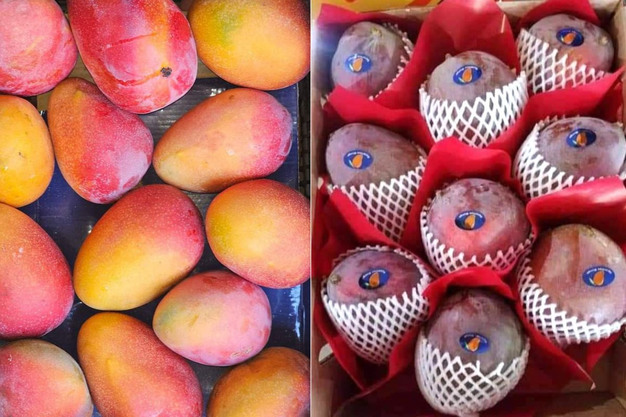
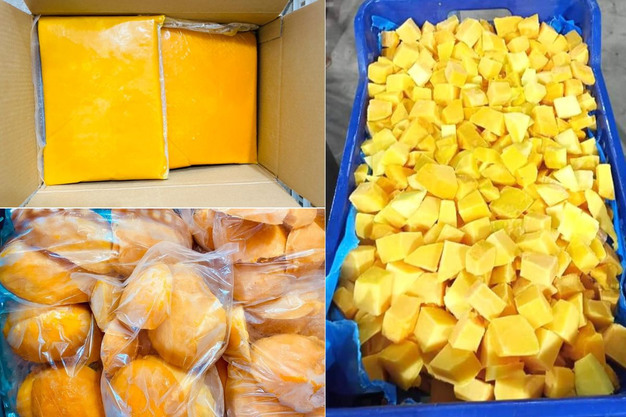
Egyptian mangoes continue to strengthen their position in international markets, thanks to a wide variety of varieties (over 200), a robust local processing industry, and improved post-harvest handling practices. Amr Kadah, export manager at Fruit.farm, shares that the total area devoted to mango cultivation in Egypt reached approximately 137,000 hectares, with total production exceeding 1.4 million tons last season, a historic record. The processing industry accounts for high export volumes, amounting to 40,000 tons of IQF mangoes.
 © Amr Kadah
Successful 2025/2026 season
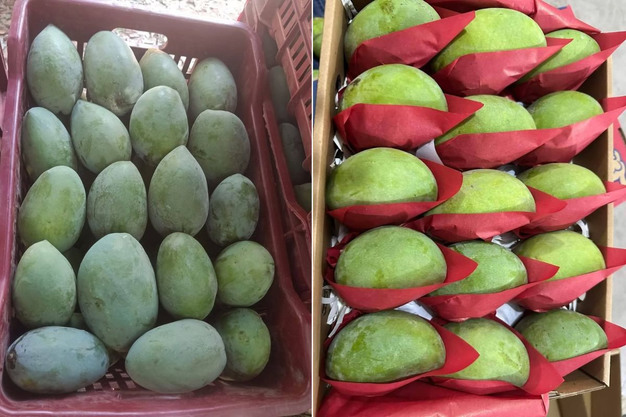
In addition to record production, last season was also a commercially successful one, according to Kadah. He explains, "The 2025/2026 season can be described as relatively successful for Egyptian mango exports despite several logistical and production-related challenges. The most active markets for Egyptian mangoes included Gulf countries, Russia, and Eastern European markets. In addition, we at Fruit Farm managed to expand into new African and Asian markets, supported by improved packaging standards and enhanced fruit quality.
In terms of pricing, the season saw relatively strong prices, especially for premium-quality mangoes and export-grade sizes. Reduced supply during certain periods also helped support prices in both local and export markets. On the other hand, we faced challenges related to rising shipping costs and climate fluctuations that affected production in some growing regions. Nevertheless, Egyptian mangoes maintained strong competitiveness due to their excellent balance between quality and price.
 © Amr Kadah
Expected shifts next season
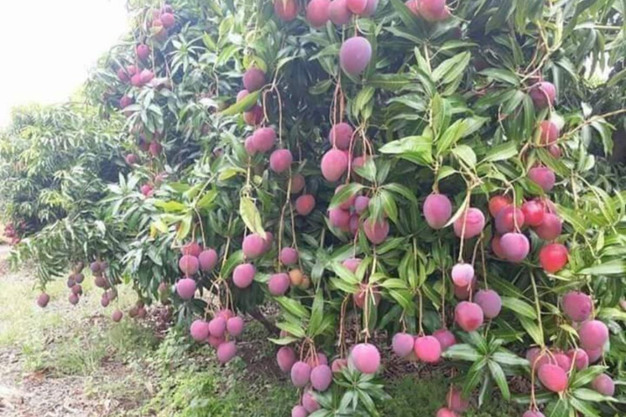
The Egyptian mango export season typically begins in late June and early July, with the peak export period occurring in August and September, while exports of late-season varieties continue through October. Kadah anticipates an early start to the next season: "For the 2026/2027 season, current indicators suggest that the season will begin slightly earlier in some production areas due to higher temperatures during the flowering and fruit-setting stages. However, final production volumes and harvest timing will continue to depend on weather conditions over the coming months, particularly temperatures and humidity levels.
 © Amr Kadah
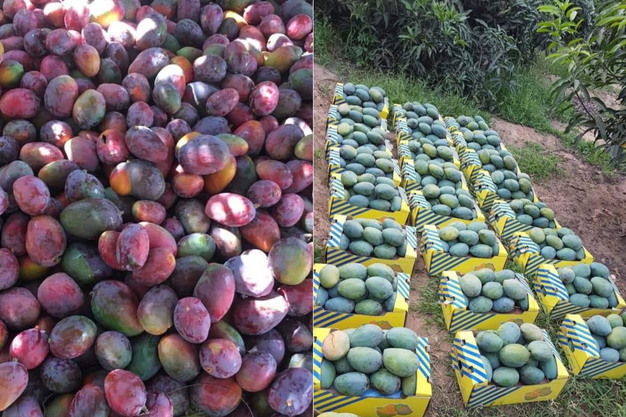
The exporter anticipates a season of continued consolidation in the Egyptian mango market. He says, "We expect demand for Egyptian mangoes to remain strong during the 2026/2027 season, particularly in Gulf countries, Eastern Europe, and select Asian markets. Egyptian mangoes have built a strong reputation in recent years due to their flavor, quality, and competitive pricing. The wide range of Egyptian varieties, including Keitt, Awees, Zebda, Naomi, and Fagr Klan, allows exporters to meet different market preferences and shipping requirements. In addition, consumers worldwide are increasingly looking for high-quality fresh fruits, which creates further opportunities for Egyptian produce. Demand is also expected to increase for late-season varieties such as Keitt and Kent, as they can reach the market during periods when supply from competing origins is limited.
 © Amr Kadah
Egypt's competitiveness and aggressive pricing will provide a buffer against rising transportation costs, according to the exporter. He continues, "Despite ongoing global challenges related to freight costs and inflation, Egyptian mangoes continue to maintain a competitive advantage compared to several other exporting countries."
Following proven success in production and marketing, the time has come for the industry to mature and shift toward value and alignment with market preferences, according to Kadah. He adds, "Egyptian exporters will focus more on late varieties in the upcoming season. They are also placing greater emphasis on improving packaging and presentation, meeting international export standards, enhancing cold-chain logistics, and building long-term partnerships with importers and retail chains. It is time for Egyptian companies to rely more on consistent quality, reliable supply, and professional export operations to maintain and expand their market share."
 © Amr Kadah
The exporter concludes, "For the upcoming season, we at Fruit Farm are focusing on strengthening our presence in traditional markets while also expanding into new destinations with growing demand for fresh produce. The main target markets include the Gulf countries, particularly Saudi Arabia, the UAE, and Kuwait, as well as Eastern European markets, Russia, and select African and Asian markets."
For more information:
Amr Kadah
Fruit.Farm
Tel: +20 100 928 8377
Email: [email protected]
www.linkedin.com/in/amr-kadah