Kiwifruit growers in New Zealand have bid strongly for licences for the Gold fruit variety and the newly commercialised Red80 cultivar, with values reaching high levels per hectare.
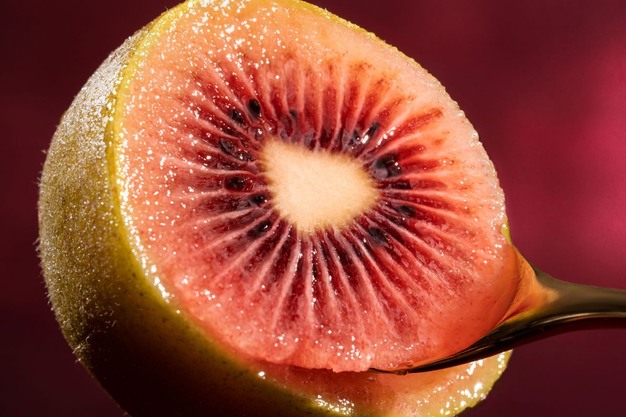
For the first time, the marketer allocated 50 hectares of Red80 licences for unrestricted planting. Opening at US$38,000 per hectare, bidding rose to US$457,000 per hectare, with licences sold to 22 bidders. The 50-hectare allocation was oversubscribed eight times at opening.
 © Zespri International Limited
An additional 50 hectares of restricted licences for growers replacing Red19 plantings with Red80 settled at US$70,000 per hectare.
Demand for established Gold fruit licences also increased. A total of 416 hectares of Gold fruit licences for unrestricted plantings closed at US$684,000 per hectare, compared to US$561,000 per hectare last year.
Licence prices are determined through an auction system, with growers required to confirm bids following the process.
The Red80 variety is positioned to complement Red19 by being harvested later, extending the RubyRed marketing window. Development has focused on improved storage characteristics to support shipping, addressing limitations associated with Red19.
The licence round is expected to generate around US$311 million in revenue for Zespri and its shareholders, compared to US$217 million in the previous year.
Tracy McCarthy, executive officer for grower engagement at Zespri, said: "The level of demand seen across the week's licence releases reflects grower confidence in the outlook for the industry."
She added that the Red80 licence outcome would support an extended supply window for red fruit and contribute to market demand and returns, with supply managed in line with market signals and industry understanding of RubyRed varieties.
Source: Farmers Weekly