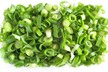
India produces over 320 million tonnes of fruits and vegetables yearly, but loses 15-25% after harvest because cold-chain infrastructure cannot keep up, says Akshat from Delmins Food. "Dehydration is turning this wasted perishable produce into shelf-stable offerings that farmers and exporters can actually count on."
For farmers grouped in producer organizations, this means steady demand instead of the usual fresh market rollercoaster. "They get consistent offtake even for surplus or cosmetically imperfect produce," Akshat explains. "This minimizes distress selling during peak seasons and expands access to export markets where fresh logistics would be too challenging."
 © Delmins Food
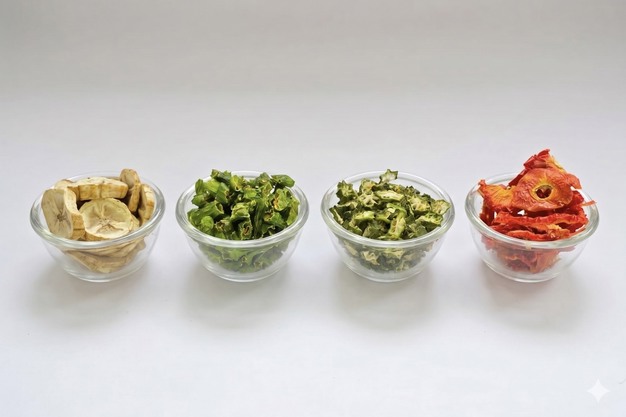
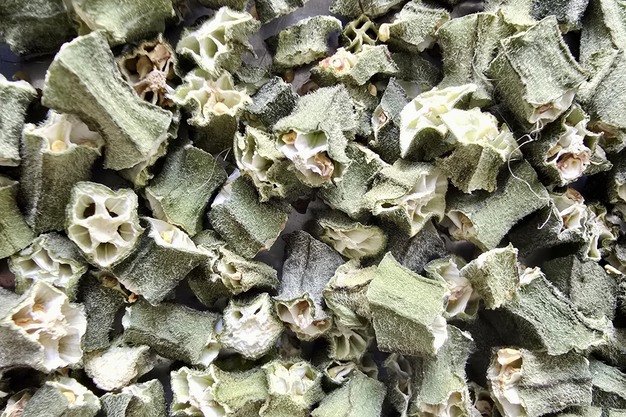
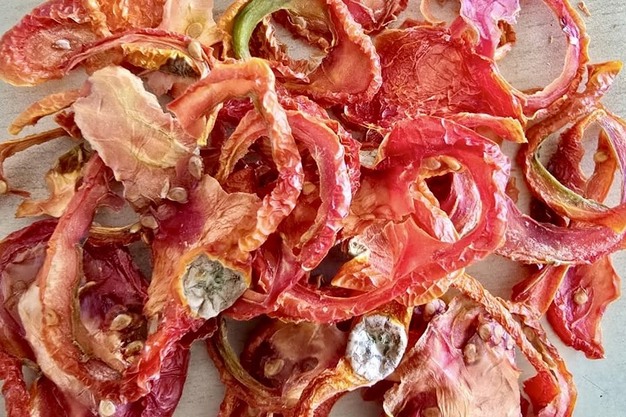
He adds, "India's dehydrated fruits and vegetables market sits at USD 1.8-2 billion, with an 8-10% CAGR. Beyond bulk onions, garlic, and potatoes, we're pursuing opportunities in higher-value items like ginger, green chili, okra, and tomato powder, which are finding their place in spice blends, soups, snacks, and clean-label formulations. The category also falls in line with changing preferences for convenience foods, ready-to-eat meals, and health products too."
 © Delmins Food
Demand for dehydrated vegetables is global, with key markets including the Middle East, Europe, and parts of Asia. "The Middle East remains a strong, volume-driven market with consistent demand for spices and dehydrated vegetables, while Europe is more quality-sensitive, with a strong preference for clean-label and residue-controlled offerings," Akshat observes. Asia offers a mix of price-sensitive and high-volume opportunities.
 © Delmins Food
In India, for example, tomato powder is widely used as a natural flavoring and coloring agent, while ginger and green chili powders are essential in spice blends and processed foods. Okra, though still a niche, is being used in soups and convenience food mixes. "We source directly from over 2000 farmer producer organizations, and ensure dehydration within a critical 4-hour window from harvest. The quick processing helps to lock in color, nutrition, and authentic flavor. It's quality-first over chasing scale."
Delmins' future plans fit right into APEDA's push for value-added produce with a 12-18 month shelf life and minimal cold-chain needs for exports. "Government PLI funding and infrastructure investments are making the shift from raw produce to processed goods smoother, and we see potential across Europe and Middle East markets with vegetable powders, okra, and floral infusions. We're open to connecting with partners who prioritize processing speed, moisture control, shelf stability, and FPO traceability over just volume."
For more information:
Akshat Seth © Delmins Food
Delmins Food
Tel: +91 96 96 900 196
www.delminsfood.com