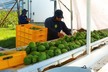
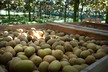
Kiwifruit growers in New Zealand appear to have avoided a major impact from Cyclone Vaianu, which hit the east coast of the North Island this month. With a large share of fruit still to be harvested, there were concerns about potential damage in key growing regions, including Bay of Plenty, Tairawhiti, and Northland.
NZ Kiwifruit Growers Incorporated chief executive Colin Bond said damage has been lower than expected and is not expected to affect overall crop volume. He indicated that impacts were mainly limited to shelter belts and some buildings, with most fruit remaining intact on the vines.
"We have only heard of a few orchards in the eastern Bay of Plenty that might have had some fruit loss caused by kiwifruit being knocked off the vine or being damaged by wind," he said. "This picture appears to be the same in all the kiwifruit growing regions. But like any event, there will be some individual growers who have had a worse-than-expected experience."
Harvest progress has been affected by rainfall linked to the cyclone and subsequent weather events, slowing picking activity. Bond noted that the season started well and growers are expecting improved conditions in the coming weeks.
Growers are also managing input cost pressures linked to higher fuel and fertiliser prices. "But the reality is that we see ourselves as price takers. We only produce one crop a year, and that is harvested; now we need to make money and get the fruit from the orchards to the supply chain, so the increasing fuel cost is a challenge. But by far the biggest challenge for growers is making sure their fruit gets to market, so we just must accept the fuel rises for now and hope that the government and the authorities are doing all that they can to make sure that we can continue to supply our markets," he said.
Labour remains the main cost component for growers, accounting for between 60 per cent and 70 per cent of orchard costs.
Bond said market signals remain positive, while noting concerns about the potential impact of current global conditions on export markets and consumer demand.
Source: Rural News