The citrus fruit sector is going through a profound transformation, driven by extreme climatic instability and changes in the trade balance between the major players in the Mediterranean and the southern hemisphere.
Lemons
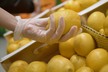
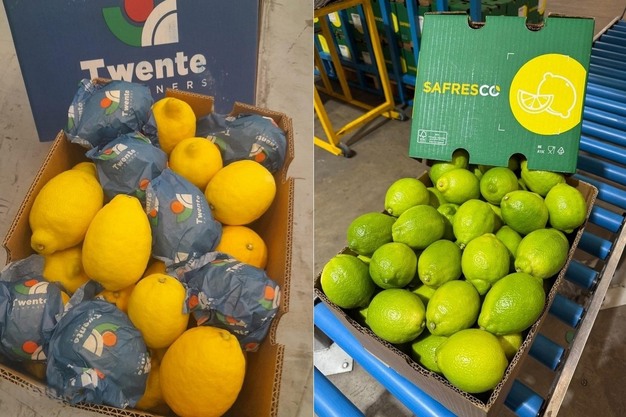
The lemon market is characterised by a shortage of product that is keeping prices up in both the northern and southern hemispheres. "Turkey's absence from the international market is a major factor. The country has suspended the exports of early lemons and the Primofiore variety to preserve stocks for domestic consumption. The Spanish production of late lemons (Verna variety) will be low, further contributing to the supply gap in north-eastern Europe and the rest of the continent," explains Giuseppe Galluccio, founder and sales manager of Gruppo La California (GLC), which operates within the Naples-CAAN agri-food centre in Italy, as well as in Spain.
 © Gruppo La California
"The natural disasters that have hit Italy and Spain have reduced the volumes available. Prices in the field currently fluctuate between €0.70 and 0.80/kg, with an expected upward trend. Production in the northern hemisphere is expected to end between mid- and late May. This will lead to an anticipation of imports from the southern hemisphere to cover the needs of the summer season."
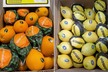
Tangerines
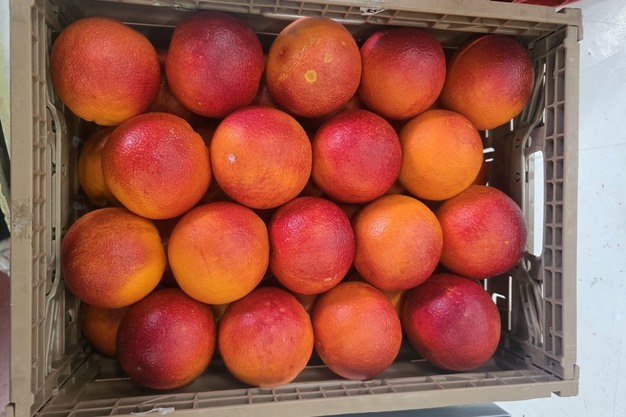
The tangerine segment has experienced some ups and downs, with a transition from sustained consumption to high prices due to structural shortages. "A strong increase in consumption between 15 September and 15 November 2025 allowed stocks in the southern hemisphere to be fully disposed of. Production in Calabria, Sicily, and Andalusia was drastically reduced by excess water and strong winds. Many Calabrian producers have already run out of available stocks. Varieties managed through clubs or patents, such as Tango and Orri, maintain high prices thanks to strict control of production volumes. Turkey remains present in the market with the Murcott variety. Although its price is lower than that of the Italian product, it nevertheless remains at a good average level, above €1/kg."
 © Gruppo La California
Oranges
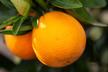
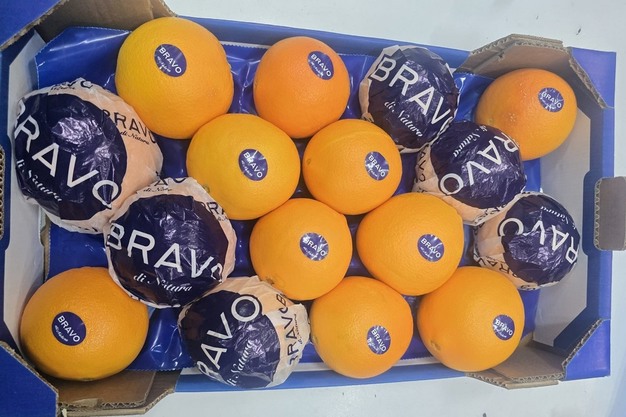
The orange sector presents a complex scenario, where Italian production quality clashes with environmental damage and strong international competition. "As far as blood oranges (Tarocco) are concerned, despite an excellent start to the campaign in terms of quality, Sicily was hit by a cyclone that caused an estimated production loss of between 30 and 40%. The strong winds caused the fall of many fruits and the downgrading of much of the remaining production to category two. The drop in supply is pushing producers to try to raise prices, with a forecast of the campaign closing between the end of March and mid-April," explains Galluccio.
"In the initial phase of blond oranges, the Navel and Navelina varieties suffered from an excess of supply compared to weak demand, leading to mediocre or barely sufficient prices. Producers await the start of the Valencia orange campaign in April, hoping for higher prices. However, the presence of aggressive players such as Egypt and Greece, which have large volumes, could halt the increases. Retail prices in supermarkets should stabilise in the final period of the Valencia campaign (June-July, ed.), maintaining a balance similar to previous years."
 © Gruppo La California
The Italian and Spanish citrus markets are finding themselves in a vulnerable position. "Although those who prefer the Italian product are prepared to pay high prices during the hottest months, pressure from non-EU countries such as Egypt is becoming structural. Climatic instability - which went from the extreme drought of the 2024/25 campaign to the excessive rainfall of 2025/26 - makes commercial planning extremely difficult, favouring exporting countries that enjoy more constant production conditions."
Egypt is confirmed as a major production partner for vegetables and citrus fruits: "Partnerships with global-scale suppliers are in place. In addition to managing leased land for vegetables, direct investments in proprietary tree plantations on Egyptian soil are being considered."
Impact of geopolitical and logistical tensions
The war conflict has radically altered the trade patterns, particularly with regard to exports to the Arabian Peninsula and the Persian Gulf, a basin of some 600 million people. "Products that cannot reach the Gulf countries (apples from Italy, oranges from Spain and Egypt) are diverted to Europe. This phenomenon increases availability in Europe, thereby intensifying internal competition. Unloading difficulties at Gulf ports (such as Jebel Ali) make exports to China, India, Indonesia, Malaysia, and Singapore almost impossible. The geopolitical instability has caused an immediate increase in the price of agricultural diesel, and this will be reflected in the cost of pesticides and of all imported technical means required for cultivation.
 © Gruppo La California
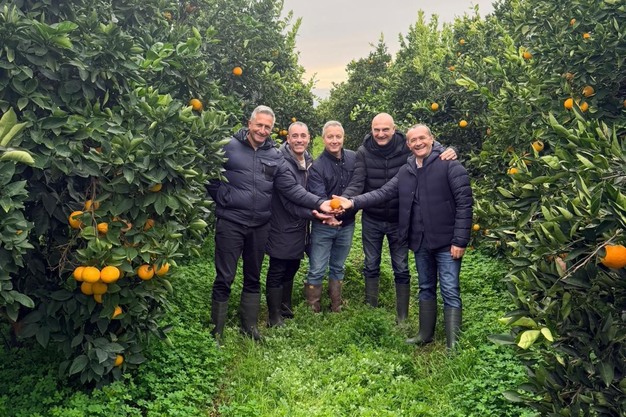
Production of Tarocco, a late variety of blood orange, in Sicily: a large investment made in the last five years
Company developments
In Italy, Gruppo La California is strengthening its presence with targeted interventions in the South, particularly in Sicily and Campania. In Sicily, the reinforcement goes through the growth of production, thanks to the collaboration with local cooperatives, while in Campania, the expansion of logistical capacities in the Capua pole is planned. The latter investment is closely linked to the development strategy in the big retail trade channel: the extension of the warehouse will, in fact, increase sales percentages towards this segment, also offering more advanced packaging services. Furthermore, Capua's strategic geographic location will allow it to serve the main distribution platforms in Campania, Puglia, and Lazio with greater efficiency.
The Group is also investing heavily in 'people structuring'. Key elements include: use of professional figures to improve internal interaction and management of the emotional sphere at work; specific programmes for the leaders of the various company areas (production, market, marketing, packaging); implementation of new communication protocols between the various group companies to optimise synergies.
 © Maria Luigia Brusco | FreshPlaza.com
Presence at Macfrut reconfirmed
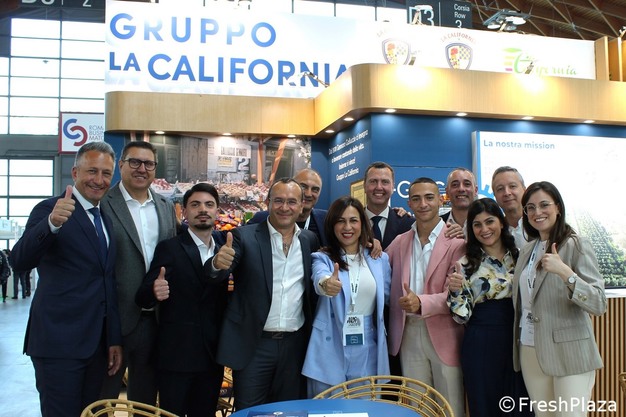
The Macfrut trade fair (Rimini Fiera, 21-23 April 2026) - considered fundamental for meeting the national market and European customers, as well as presenting new company developments - will be the next event Gruppo La California will exhibit at. "Participation in the main international trade fairs remains central. The Rimini event will be an opportunity to illustrate the company's new visions and recent investments. The fair is becoming increasingly important for those who invest in Italy and for companies that, like us, are growing both in production volumes and imports," concludes Giuseppe Galluccio.
Gruppo La California will be exhibiting in Hall B5-D5 / Stand 029.
For more information:
www.gruppolacalifornia.com