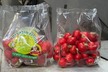
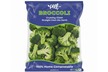
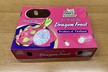
The way fresh produce is packaged has a significant impact on the losses, especially over longer transit times, says Yagmur Ozbutun, export area executive at Turkish packaging manufacturer Ser Pak Packaging: "Industry data shows that up to 52% of fresh produce losses occur between harvest and final consumption, mainly due to dehydration, inadequate atmosphere control, and extended transit times. As global fresh produce trade becomes increasingly dependent on long-distance logistics, transit times of 25 to 65 days have become common for shipments into Europe, Russia, the Middle East, the United States, and Mexico."
 © Serpak Ambalaj
According to Ozbutun, packaging plays a big part in maintaining the quality of fresh produce, although there are also other factors in keeping produce fresh. "Cold chain management remains essential, but real-life experience across the supply chain clearly shows that temperature control alone is not enough. In many cases, quality losses are not caused by the product itself, but by packaging solutions that fail to properly manage moisture, gas exchange, and respiration during transport."
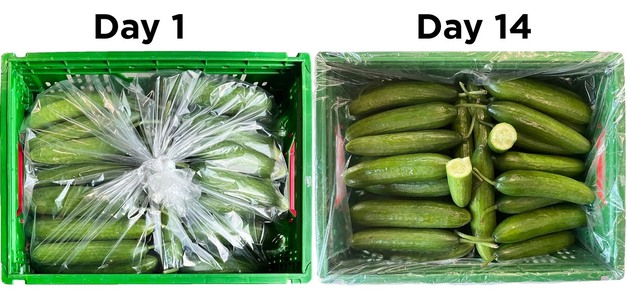
Ozbutun states that when designed specifically for the product and the logistics route, Modified Atmosphere Packaging (MAP) helps stabilize the internal environment of the package throughout the entire journey: "By controlling gas permeability and humidity levels, MAP packaging can reduce weight loss, slow down respiration, and extend shelf life. In doing so, it contributes directly to reducing food loss from farm to table. This becomes particularly critical in long-haul maritime shipments to North America, Europe, and Russia, where even small deviations in quality can lead to claims or product rejection."
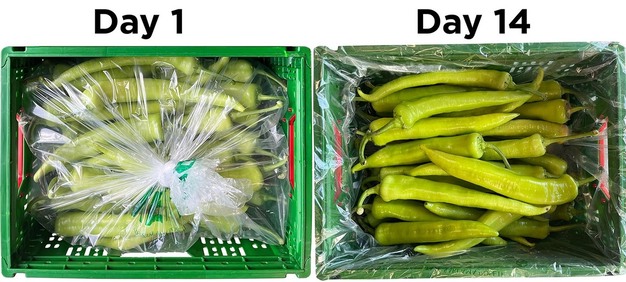 © Serpak Ambalaj
However, Ozbutun emphasizes that one must not fall into the trap of standardizing and generalizing products. "MAP packaging is not a one-size-fits-all solution. Product variety, box dimensions, storage temperature, and transit duration must all be considered together. Standardized approaches often lead to inconsistent outcomes and increased commercial risk. For us, all of our production is carried out in compliance with the BRCGS Global Standard, ensuring internationally recognized food safety, quality, and traceability."
"We support supply chains serving Europe, Russia, the Middle East, the USA, and Mexico, where extended transit times and high quality expectations require reliable and predictable packaging performance. Rather than offering generic products, Serpak works closely with growers, exporters, importers, and buyers to identify logistics-related quality challenges and to develop packaging solutions tailored to each supply chain. Trial programs under real shipping conditions are an essential part of this approach, helping partners evaluate performance before large-scale implementation."
 © Serpak Ambalaj
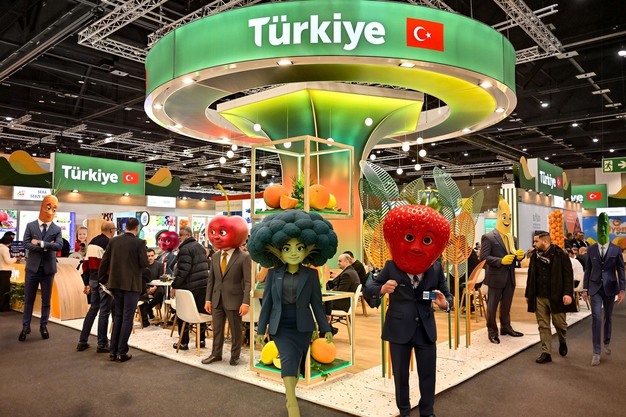
"Serpak will once again take its place at Fruit Logistica, as it does every year. We look forward to meeting industry professionals to exchange views on transit times, weight loss, quality challenges, and food loss reduction, and to discuss how packaging can add real value to the fresh produce supply chain," Ozbutun concludes.
Serpak will be exhibiting at Fruit Logistica. You van find their booth in hall 27, stand A-12.
For more information:
Yagmur Ozbutun
Ser Pak Packaging
Tel: +90 533 073 70 98
[email protected]
https://www.serpak.com.tr/en