The zucchini and field cucumber markets are changing significantly now due to a "perfect storm" of factors.
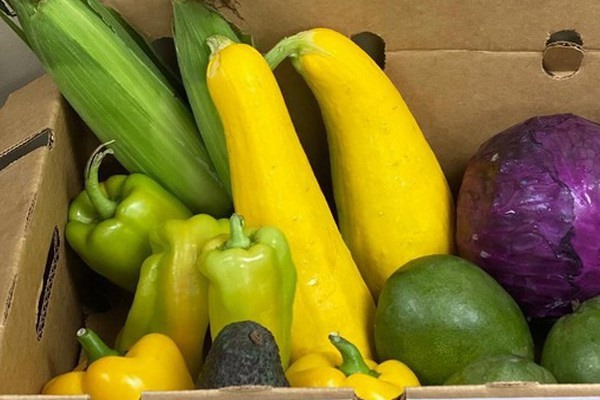
Zucchini: In Florida, weather challenges are an issue for growing zucchini as part of the winter dry vegetable deal. "We had cool weather which slowed down the growth," says Neil Mazal of East Coast Farms & Vegetables, noting that there was even frost north of Lake Okeechobee, some low-lying areas on the West side of the state and Immokalee. Late this week, South Florida is expected to be very cold with possible freezing temperatures near Plant City and in the high 30s°F to low 40s°F south of Lake Okeechobee. "That created some bloom drop and also made the plants stop fruiting. Squash plants tend to go to sleep when it gets too cool to prevent them from dying so they stop flowering and fruiting."
At the same time, there had been a squash oversupply from Mexico crossing via Nogales, Arizona and McAllen, Texas for about 10 days. That supply shut as well thanks to cool, rainy weather which it is still seeing. "The market had been fairly low in price with good supply from both regions," notes Mazal. "However no supply in either growing area drove the market up to as high as $20 FOB on fancy zucchini to a low of $16. Today, the market is reflecting the higher price points, including $20 via Nogales."
 © East Coast Farms and Vegetables
Also keeping pricing strong had been elevated freight rates after the holidays with fewer trucks available, though that seems to be changing as they return to the shipping points. Mid-last week, rates were between $7,000-$9,000 to deliver into Florida out of Nogales. By the end of that week, those rates had shifted to $7,200-$8,000 which, with 1,600 squash and 798 cucumbers on a truck for example, still leaves the price per case quite elevated.
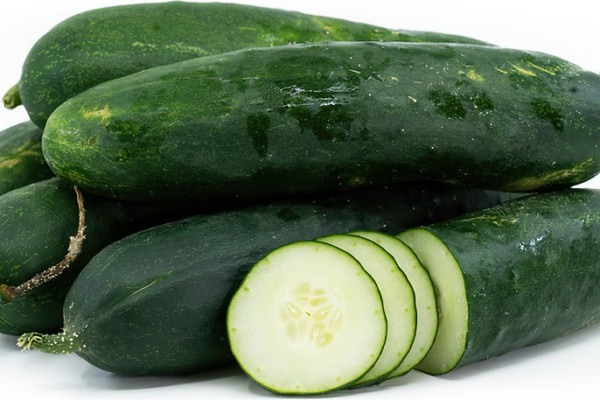
Field cucumbers: Supply has also been light on field cucumbers and some of that is also being attributed to less acreage generally being planted, which is also the case with squash. For cucumbers, this follows adverse publicity around salmonella outbreaks last spring on cucumbers from Florida. Ultimately the outbreaks were traced back to water supply in the canals which forced growers to implement a two-step sanitization process when pulling water from canals and wells for irrigation. "Because of that, the cost of growing them has dramatically increased and therefore some growers here did not plant. So there are fewer acres of cucumbers in Florida planted," Mazal says, adding that some consumers are also still shying away from vegetables grown in the region such as cucumbers but also field corn.
At the same time, Honduran imports normally fill the gap at this time of year on winter cucumbers. "Though the past three seasons, that deal hasn't been profitable due to competition from Mexico–it's relatively inexpensive to harvest and ship them from Mexico comparably," says Mazal.
That said, Mexican production didn't ramp up in lieu of a lack of production in both Florida and Honduras. "There's some production out of Baja California, but the majority is obviously in the mainland area. They again have also had some cold and rainy weather," adds Mazal, noting all of this have elevated cucumber markets.
Add in the fact that European cucumbers are seeing ample production right now with softer pricing that's competitive to field cucumbers. "So consumers are more attracted to picking that cucumber up rather than a field cucumber. Cosmetically it's attractive to consumers because it's in shrink wrap so isn't being touched," he says, noting the small seeds on European cucumbers are also appealing to some consumers with digestive issues.
 © East Coast Farms and Vegetables
Generally with both vegetable items seeing less acreage planted, what is also challenging is those costs of growing continuing to increase dramatically. That includes the cost of labor. "They keep raising the cost of H-2A labor because it has to be in conjunction with domestic labor costs. The government doesn't want to flood the market with "cheap" labor, even though there is no domestic labor. You cannot hire enough people to pick row crops," says Mazal, adding as well that the United States Immigration and Customs Enforcement (ICE) raids continuing in the U.S. are also making some H-2A labor fearful of going to work. "So now it's a greatly reduced labor pool at higher costs that are less skilled and it's a double impact on farmers for dry vegetables."
Consumption in winter
There are other factors impacting this market–for instance, winter isn't a high consumption time for products like cucumbers, which are generally a salad item. "The weather in the Mideast and Northwest has been cold with heavy snow and freezing temps so people are ordering soups not salads. Lettuce markets are also high for salads so cucumbers suffer. Tomato markets have also been elevated due to growing conditions," adds Mazal.
Looking ahead, he notes that generally there's no market for dry veg unless there's a weather event in one growing area or another. "Now there's no market and there's no cheap inputs so you have high costs and low demand," he says. "If there's a warming trend, people may consume more cucumbers because they're consuming more salads, though I don't see demand ramping up in the near term. Also, as long as European cucumbers are competitively priced, people will continue to select them if they are buying cucumbers."
 For more information:
Neil Mazal
East Coast Farms & Vegetables
Tel.: +1 (561) 561 286.0286
[email protected]
https://www.eastcoastfarms.us/