The U.S. and Canada are net importers of garlic with domestic production from California only meeting a minority of demand. A large part of imports is sourced from China as the country is the world's largest grower of garlic and their exports dominate volume and price competition globally. However, the U.S. import value of garlic has increased significantly in recent years, showing diversification beyond China with Spain, Egypt, Mexico, Argentina, and Peru supplying garlic to the U.S. and Canada as well.
 © Chenail
Strong yields and exports from China
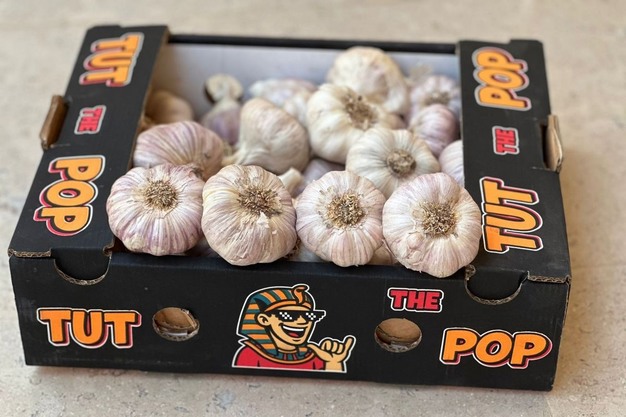
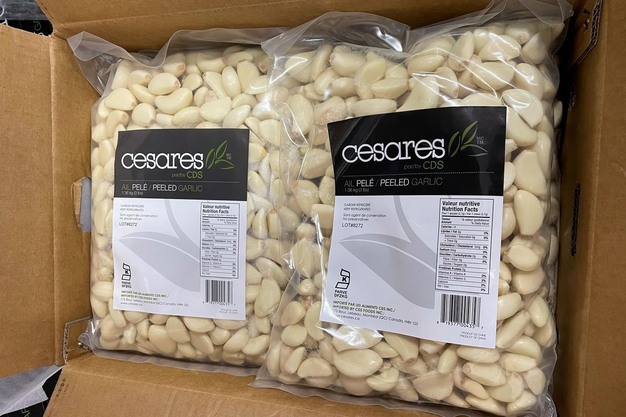
"We purchase garlic and peeled garlic from several countries around the world," says Ehab Nasser with Chenail from Canada. China generally has new crop available from late summer through spring and their planting area and production forecast remains robust, resulting in increased production volume and potential stock increases. Exportable volumes are strong and production quality is reportedly good with yields up due to favorable weather conditions. "Despite good yield and quality, bulb sizes can vary and to some buyers, China's garlic grade is perceived lower compared to specialty origins." The cheapest garlic is offered by China and China is also the main supplier of peeled garlic. "This is an important part of our garlic business due to the interest in peeled garlic from the foodservice segment. In the past two years, Egypt has also become more involved in shipping peeled garlic."
 © Chenail
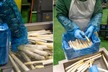
Peeled garlic.
Argentina and Peru are also actively shipping this time of year, primarily between November and February, sometimes March. Mexico offers good quality garlic and remains a key seasonal supplier as well with exports peaking between May and June. "Mexico plays an important role in filling U.S. demand gaps," Nasser added. Together, these three countries have been expanding market share in the U.S.
Another country that is in season now is Egypt. They ship garlic from January through May and continue to expand output due to high yields. "Egypt's garlic is often regarded as high quality with large size bulbs, but it is important to verify sizing as it can be mixed," shared Nasser.
Reduced acreage in Spain
In Europe, Spain is the main garlic grower, offering product seasonally in mid-summer with exports lasting through the fall and winter. France and Italy play a somewhat smaller role. In recent years, Spain's acreage has contracted and the tightening of domestic volumes puts downward pressure on export availability. As a result of reduced acreage in Spain, European supplies have become tighter and European demand often exceeds supply, making Europe dependent on imports.
 © Chenail
China's role
All in all, garlic from low-cost origins like China and Egypt puts downward pressure on pricing for European and North American growers. "However, increasing demand for organic and specialty garlic creates niches, away from commodity grade as size and visual standards remain key quality differentiators in export markets." In addition, tariffs and shifts in trade negotiations are affecting the flow of garlic from China to the U.S., resulting in a change in competitive dynamics.
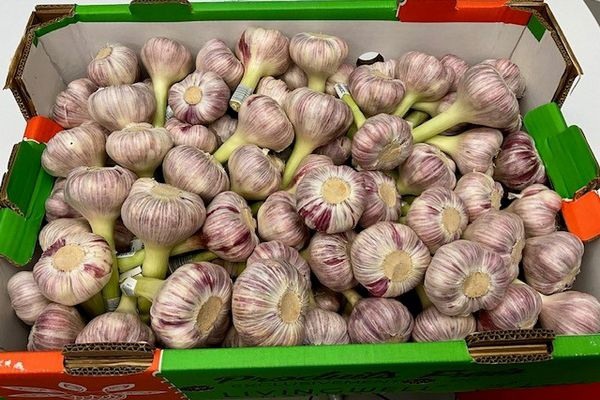
One of the challenges that Nasser experiences from all sourcing countries is the sizing of garlic. The product is manually packaged, which often results in different sizes ending up in a box. "It is challenging when we receive smaller sizes than ordered as our customers count on us to meet their specifications," he said.
 © Chenail
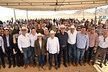
Left: Tony Bono and Ehab Nasser. Right: Pierre-Luc Desrosiers and Ehab Nasser.
 For more information:
Ehab Nasser
Chenail
Tel (+1) 514-858-7540 (x373)
[email protected]
www.chenail.ca