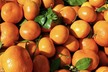
The Citrus Research Institute (CRI) in Sargodha has begun developing seedless and pigmented kinnow varieties to better align with global market demand, signaling a major shift in Punjab's citrus improvement efforts. Punjab has 358,000 acres under citrus cultivation, with expected production this season estimated at 3.3 million metric tons.
Dr. Akbar Hayat Saggu, Director of CRI Sargodha, highlighted that Pakistan's current citrus varieties, heavily reliant on traditional seedy kinnow, are not fully aligned with international preferences. Global buyers increasingly demand seedless, easy-peeling, and high-quality mandarins, characteristics largely absent in locally grown citrus. Besides kinnow, Pakistan cultivates Musambi, Valencia Late, Succri, Ruby Red, Eureka and Lisbon lemons, and Kaghzi limes, primarily in Sargodha.
Dr. Saggu noted that climate change has added pressure on kinnow production, with rising temperatures, irregular rainfall, and increased pest and disease incidence affecting yields and fruit quality. Persistent smog further reduces sunlight for photosynthesis, weakening tree growth and fruit development.
Pakistan currently grows around 100 citrus varieties, with an additional 70 imported for research. However, intellectual property restrictions prevent exporting imported varieties without breeder agreements. Citrus exporters warn that Pakistan's existing kinnow varieties are decades old and uncompetitive globally, with exports declining from 550,000 tons to 250,000 tons over five years due to short shelf life and excessive seeds.
Source: islamabadpost.com.pk