The Peruvian mango sector is facing one of its most difficult seasons in recent years. According to a Peruvian exporter who wished to remain anonymous, the situation is characterized by domestic prices that do not reflect international market realities, fruit maturity issues, and a tense social environment in the main producing regions.
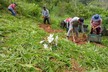
The season began with high expectations, with local prices of 40-45 soles (US$11.89–US$13.38) per jaba under negotiation. However, as more companies began harvesting, it became clear that these prices were unsustainable for export markets. The gap between market payments and growers' demands led to an agricultural strike from November 22 to 28, during which many growers stopped harvesting in protest.
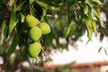
Internal mango quality also presents a major challenge. The sweetness levels, ranging from 6.5 to 6.8 ° Brix, fall short of the needs of major markets such as the United States (7-7.2 ° Brix) and Korea (7.5 ° Brix). Europe, which accepts shipments starting at 6.5 ° Brix, remains the most viable market; however, demand is weak, with prices reported at $5-$6 (US$5-US$6) per box, according to the exporter.
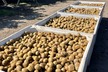
The available volume is also significantly reduced. The same source states that the current supply is only 60-70% of last season's volume, with uneven flow causing peaks in availability followed by sharp drops. This volatility complicates harvesting, logistics, and shipment planning.
Despite falling international market prices, domestic prices recovered to 42-43 soles (US$12.47- US$12.77) in some areas as producers resisted lower prices. During the recent technical roundtable held during the strike, it was noted that the actual cost of producing a jaba of mango ranges from 10 to 15 soles. Still, some groups continue to insist on 40-50 soles, leaving exporters with little to no profit margin.
A declining social climate worsens this situation. Recently, social media videos have shown harvesters and transporters being scolded or punished for working during the strike. While these are isolated incidents, the anonymous exporter reports that they have caused concern and uncertainty within the sector.
The Peruvian mango season faces unusual pressure due to high prices, low Brix levels, limited availability, and a fragile social environment, with no clear signs of short-term stabilization.