The decision by the United States to suspend the Systems Approach for Chilean table grapes has reactivated the technical and regulatory debate between the two countries. The measure, which is mainly affecting growers in the north of Chile, is forcing the resumption of compulsory fumigation and slowing down the progress made in recent seasons. Although the immediate impact isn't uniform, the measure represents a setback for a process that had been underway for more than a decade.
 © Green Pack Services
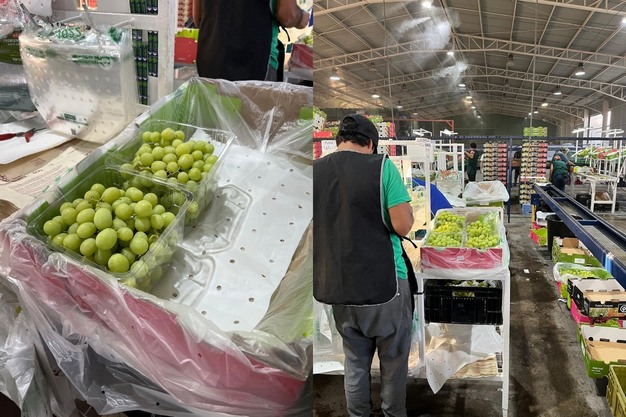
Pedro Pablo Budinich, of Green Pack Services, says that the most affected are the producers in the IV and V regions, where the system was implemented two seasons ago. "Chile has been fighting for more or less fifteen years to have a Systems Approach with the United States. This is now suspended, and it has no impact on us in the VI Region, because we have never had it before," he says. For those areas, going back to the previous model means returning to compulsory fumigation at destination, a process that has an impact on the fruit's quality and competitiveness.
According to Budinich, fumigation in the US requires raising the fruit's temperature, which reduces its post-harvest shelf life and generates additional logistical costs in U.S. ports. While he doesn't anticipate a significant impact on FOB prices this season, he acknowledges that quality may be affected, especially when compared with the fruit from programs that sought to avoid fumigation.
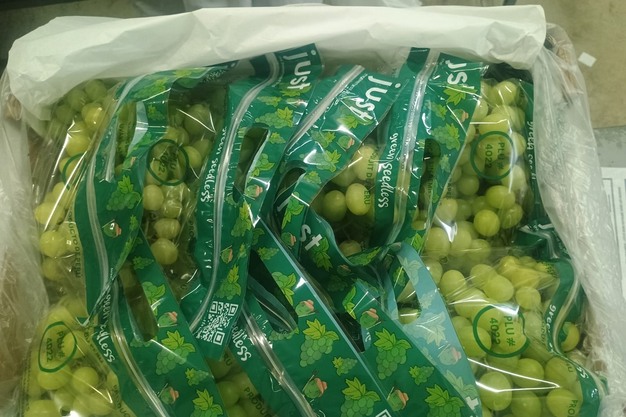
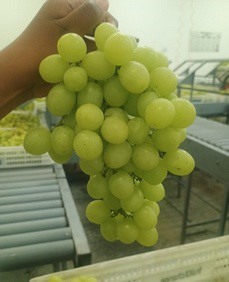 © UPAC According to Nicolás Yavar of UPAC Fruit, the suspension ensures a scenario without immediate operational changes, but which does represent a strategic setback. "We are moving backwards, because all the grapes will again have to be fumigated; a step we had been seeking to eliminate in order to deliver fresher fruit," he says. Fumigation with methyl bromide - the current protocol - isn't drastically affecting the business in terms of prices or access, but it does limit progress towards better quality standards.
Yavar also says that the fumigation process is forcing grapes to be heated before treatment, resulting in an irreversible loss of cold that affects their internal structure and shortens their shelf life. When it comes to marketing, however, no major impact is expected for this season, given that Chile has historically operated under this system. "I don't think it will have any effect this year. It's just a setback for technical progress, but with no impact on prices or immediate competitiveness," he says.
 © UPAC
Both interviewees agree that the sector is awaiting an appeal from Chilean and U.S. authorities to reverse the decision, motivated, they say, by a demand from Californian producers. The industry currently perceives the U.S. market as favorable due to limited supply, with Peru affected by delays and with lower volumes, which could help keep prices at good levels at the beginning of the season, regardless of the disputed protocol.
"This isn't a catastrophe; we are simply going back to how things were done before," says Yavar. However, there's agreement about the fact that the suspension is slowing down long-standing technical advances and temporarily leaving Chile out of a route that promised higher quality on arrival and greater competitiveness against other suppliers.
 For more information:
Pedro Pablo Budinich
Green Pack Services
Tel.: +56 9 8341 8971
[email protected]
https://www.greenps.cl/
 Nicolas Yavar
UPAC Fruit
Tel.: +56 9 9346 8037
[email protected]
www.justfruits.org