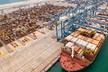
In an unprecedented expansion, MSC has augmented its fleet by 365,173 teu this year, reinforcing its status as the world's preeminent container shipping company. The gap between MSC and the next leading carrier, Maersk, has notably increased due to this strategic maneuver.
MSC's strategy involves a blend of new vessel construction and the acquisition of second-hand tonnage. This includes 25 newbuilds contributing 316,691 teu and an additional 48,482 teu from pre-owned vessels. This aggressive approach resulted in a disparity with Maersk, with MSC now nearly 2.1 million teu ahead. Remarkably, this gap equates to the entire fleet capacity of ONE, ranked sixth globally, according to data from Alphaliner.
Peter Sand, Xeneta's chief analyst, highlights the challenges MSC could face with the substantial order volume due for delivery in 2025. Although container demand softens, Sand notes a limit on financial losses, contrasting with the boundless revenue potential. Sand elaborated that the delivery of over 500,000 teu by 2025 will test MSC's demand absorption capabilities.
Dynamar's analysis reveals potential vulnerabilities at MSC due to reliance on older vessels, with 35-40% of its fleet, by numbers, aged over 20 years, representing a fifth of its capacity. In comparison, Maersk and CMA CGM maintain a younger fleet profile. Darron Wadey from Dynamar indicates that a hypothetical scrapping of 20+ year-old vessels could project MSC to a smaller fleet size. However, MSC retains flexibility through its 60% chartered largest vessels, providing fleet right-sizing options.
Wadey posits, "Given all the above, I think it can survive the next downturn. If not, then the whole sector is in jeopardy," emphasizing MSC's diversified business model and resilience across economic cycles.
The global container fleet experienced a modest growth of 1.18 million TEU in the first half of 2025, a 3.8% increase from January, indicating a pause from the previously rapid expansion phase.
Source: Seatrade Maritime News