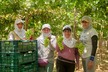
In Oregon, the harvest season for cherries presents complex challenges to growers. An orchard in The Dalles sees farmworkers, many of them conversing in Nahuatl, swiftly picking Skeena cherries at dawn to circumvent the 90-degree heat. This year's quality is high, yet many local growers face adversity.
Such complexities manifest in various forms. Ian Chandler, chair of the Oregon Sweet Cherry Commission, noted that while the quality of cherries impresses, economic conditions result in uncertainty for small farmers. Past seasons, including one disastrous year involving federal aid due to a market collapse, continue to echo through the industry.
This season's labor dynamics have added strain. Labor shortages began as farmworkers hesitated to travel amid immigration enforcement fears. The concern isn't new but has intensified recently. Chandler and other growers, often reliant on migrant labor, have felt this shortage keenly. "It's scary right now," Chandler remarked about the industry's trajectory.
The broader market for cherries compounds these issues. Despite the high quality, packing houses are rigorous, often rejecting varieties or offering low prices. Dave Meyer from High Rolls Ranch confirmed, "The fruit should have been marketable and sellable. But it hasn't been." Market demands and economic pressures challenge profitability.
Additionally, rising retail costs, noted by growers like Timothy Dahle, affect consumer buying patterns. The discrepancy between the farm gate prices, barely covering production costs, and retail prices strains growers further, as recounted by Ashley Thompson, a horticulture associate professor at Oregon State.
These issues escalate amid a longer trajectory of economic unpredictability. A precedent exists, such as in 2023, when Gov. Tina Kotek approved a disaster declaration enabling federal aid due to poor market conditions. This season's estimates show prices at 30 to 40 cents per pound, troubling figures below cost recovery, a trend worrying for family-owned farms.
Despite hardships, growers like Ken Polehn illustrate resilience. The deep roots of Oregon's cherry agriculture persist, with hopes pinned on overcoming these trials. The uncertainties remain, but the resolve in Oregon's cherry communities shows no immediate signs of abating.
Source: Oregon Live