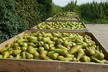
The cherry harvest in the U.S. presents a contrast to the previous year, with an extremely light yield observed across various cultivars. Climatic conditions during December and January have been noted, with warm temperatures potentially disrupting the trees' dormancy. The previous year's substantial harvest is also considered a contributing factor due to the cherries' alternate bearing nature. Fruit dimensions improved despite this downturn, aligning with trends seen when crop size is reduced.
Labor availability within orchards and packing facilities was high. However, due to diminished yield, certain ranches, particularly one south of the Arvin area, reported no harvest at all. Market dynamics responded accordingly, with those managing to harvest likely benefiting from basic supply and demand principles. Price adjustments at local markets mirrored rising operational costs, reflecting the broader economic climate impacting agricultural pricing strategies.
On a global scale, U.S. cherry distribution remained robust, although a larger proportion supplied domestic demand. Nonetheless, widespread dissatisfaction regarding allocations was prevalent, as production failed to meet consumer expectations globally.
Source: AgAlert