As in many European countries, the Turkish stone fruit season has not had an easy ride this year, says Coskun Eren, marketing manager for Turkish fresh produce exporter Eren: "According to preliminary estimates for the 2025 stone fruit season, already marked by delayed harvests and higher prices, there will be lower production volumes across key EU producing countries due to hail, continuous rainfall and frosts in late winter and early spring. Similarly, we are going through a challenging stone fruit season in Turkiye as well. Despite an overall decline in stone fruit production, with regional variations, Turkish exporter companies, including Eren, have managed to maintain their foothold in the market and stay competitive."
There are more factors than just the frost that made the current stone fruit a challenging one, Eren states. "On the other hand, the season continues relatively better in eastern producing origins, especially for cherries, and positions them as strong competitors in the market. However, various complexities such as logistics, market focus, seasonal alignment, quality standardization, and excess demand also place them in a season that is hard to navigate. Nowadays, we shift toward the western and northwestern regions of Turkiye for most stone fruit varieties, and we are encountering the very scenarios we had anticipated and were well prepared for."
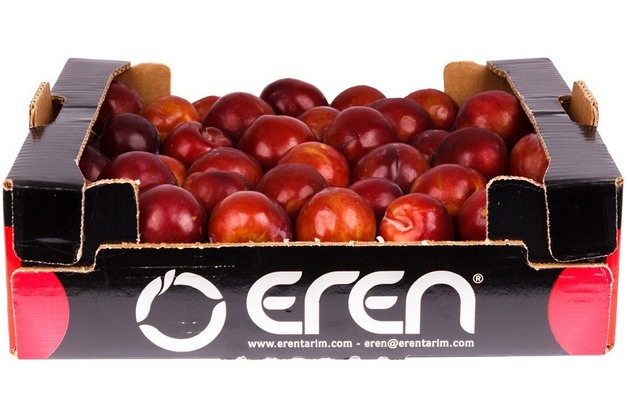 © Eren Tarim"Although overall production will still be lower in these regions, where there have been fewer climate-related issues compared to other regions, unscathed orchards maintain positive expectations in terms of quality and size. We expect the season to progress rather slowly but steadily, aligned with our long-term programs with existing customers and potential new partnerships that may open up additional market opportunities for us."
Demand for Turkish stone fruit is rather good at the moment, not just in European countries, but in other continents as well, Eren explains: "Overall interest in Turkish stone fruit remains solid from Eastern European countries and Russia, despite lower supply. Moreover, demand from destinations across Asia, Southeast Asia, and North America has remained consistent, as in previous seasons. As a result, prices have followed an upward trend. Last but not least, domestic demand has also stayed strong so far due to seasonal preferences, likely leading to further increases in retail fruit prices during the summer."
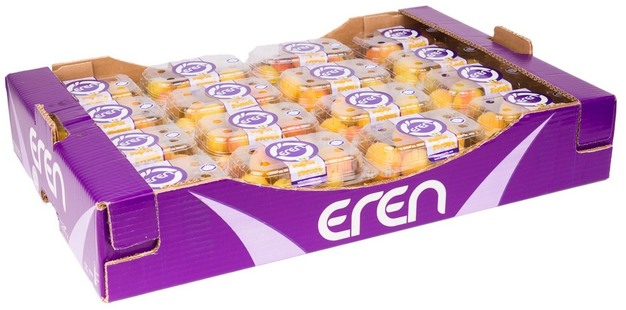 © Eren Tarim
According to Eren, clear communication with the clients has managed expectations, which enables exporters to have everyone aligned with market realities. "Well ahead of the season's start, we shared all possible situations with our clients, like expected lower yields, rising price trends, and our planned supply schedule and volumes with our customers. As the season approached, we kept everyone informed with timely updates based on product type and region. Thanks to this proactive approach, we and our partners stayed aligned with market realities, managed expectations, and ensured consistent availability and quality across shipments. Additionally, with the lower supply of stone fruits during this period of the year, we have further expanded and diversified our product range. Apart from stone fruits, we now also offer a broader selection of summer fruits, including watermelons, melons, grapes, figs, and various berry varieties."
Although there is a noticeable decline across the broader stone fruit category, not all varieties are affected the same way, Eren says: "In particular, apricots and some plum varieties have held up surprisingly well this season. Thanks to favorable local weather conditions and the sheltered locations of key orchards, these crops stayed stable, and in some cases, even performed better than expected. One standout is the sugar apricot. With its sweetness, color, and reliable shelf life, it continues to attract strong demand from all our markets. The strong performance in certain varieties has supported our exports, helped offset the difficulties faced in other categories, and allowed us to maintain continuity in our supply programs."
 © Eren Tarim
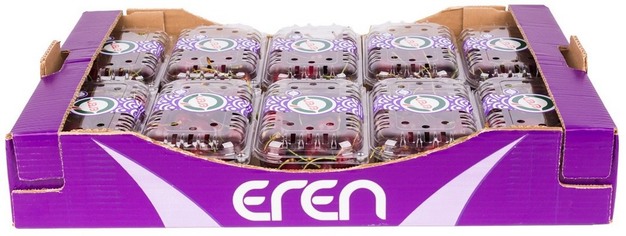
"Moreover, mid- and late-season peaches and nectarines handled the frosts better than the early ones. This relative robustness will help to compensate for the initial setbacks at the start of the season, particularly in our major markets where consistent supply and quality assurance are essential. As for cherries, Turkiye still remains the most reliable and strategically positioned supplier of fresh cherries to Eastern Europe despite weather-related losses."
For the logistics, not everything is dire, as the Red Sea route is starting up again, as can be seen by discounts being handed out for the use of this route, Eren explains. "The ongoing Red Sea bottleneck is starting to show signs of easing, with new initiatives, like reduced transit fees, aimed at boosting trade. While major shipping lines still act with caution, exporters hit by higher costs and longer transit times are likely to benefit over time. Nevertheless, there are still unstable zones along major export routes, and these challenges should be addressed through strategic and forward-looking commercial planning. At Eren, our in-house logistics unit plays a critical role in this effort. Through hands-on coordination, flexibility, and strong on-the-ground partnerships, we ensure that such geopolitical risks do not disrupt our supply chain."
Eren emphasizes that the Turkish growers were not the only ones deeply affected by the frosts: "The frost event not only occurred in Türkiye; it affected almost all major producing countries in the Northern Hemisphere. This broad impact shows the increasing effects of global climate change on agriculture. Season after season, the agricultural sector suffers severe damage from major environmental disasters. The recent frost losses in stone fruit and the devastating floods in the Iberian Peninsula during the citrus season are just a couple of recent examples. More than ever, it's clear that both public and private sectors have a shared responsibility to act decisively, adapt with foresight, and work together to minimize the impact of such climate-related risks," he concludes.
For more information:
Coskun Eren
Eren
Tel: +90 533 695 5802
Email: [email protected]
www.freshanatolia.com