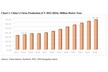
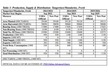
California Citrus Mutual (CCM) reports that navel orange production costs in California are projected to reach $4,215 per acre, or approximately $10,414 per hectare, by 2025. This represents an increase from $3,300 per acre ($8,154/ha) in 2020. Historical data shows costs were $2,712 per acre ($6,699/ha) in 2015, $2,099 per acre ($5,186/ha) in 2010, and $1,555 per acre ($3,841/ha) in 2005.
Picking and hauling expenses are expected to be $1,210 per acre, or about $2,989 per hectare, in 2025. These costs have risen 45% over five years, 60% over ten years, 90% over fifteen years, and 110% over twenty years.
CCM attributes these cost increases to rising minimum wages, fuel, and fertilizer/pesticide prices since 2005. The minimum wage has increased from $7.50 in 2005 to $16.50 in 2025, significantly impacting farming expenses. Fuel costs have affected multiple aspects of the citrus industry, with some members reporting nearly doubled costs since 2020. Fertilizer and pesticide expenses have also continued to rise.
In contrast, packing and marketing costs per acre of navels have increased by 33% since 2005, reaching $2,750 per acre, or approximately $6,797 per hectare, according to CCM.
The average number of navel field cartons in California is about 700 per acre, or roughly 1,729 per hectare, with an average utilization rate of 80%, resulting in 550 fresh cartons per acre, or about 1,358 per hectare.
CCM emphasizes the importance of analyzing operational costs due to rising inputs. "Having conversations with those who help run your farming operations is critical," the association stated. Growers are encouraged to assess their expenses and determine the returns needed to maintain profitability and long-term sustainability.
Source: Citrus Industry