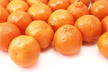
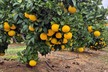
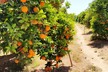
Satsuma mandarins, known for their adaptability in cold-hardy citrus regions, face challenges in North Florida and South Georgia due to limited shelf life. This has prompted several growers, including Lindy Savelle, executive director of the Georgia Citrus Association, to reconsider their cultivation strategies. Savelle plans to remove 400 of her 1,000 satsuma trees, accounting for about 40% of her production.
Market conditions have led to a reassessment of satsuma cultivation. "I think we're up to eight growers, including myself, who are going to remove some of their satsuma trees," said Savelle. "We're doing it because we're pivoting to an agritourism model. Some of the growers said, 'I'm not going to get myself in a situation where I've got this overabundance.'" The limited market window, typically 60 days, was shortened last season due to late fruit maturity, compressing it to 30 days. Savelle noted, "It was 'too much, too fast,' and the market could not absorb it."
Future strategies may involve diversifying crops and exploring new markets. Savelle advised caution, emphasizing the importance of timing in citrus production. "People are saying that maybe we need to be growing a product that will hold onto the tree for a longer period of time," she stated. However, she warned against producing citrus that matures during freezing periods. Products like grapefruit, Tango, and Shiranui, which ripen in January, pose risks if harvested prematurely.
Source: Citrus Industry