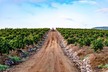
Mark Kuechel reflects on the transformation of the citrus industry in Arizona, reminiscent of past experiences in California. His family relocated to Arizona after the citrus industry in Richland, California, now Orange, diminished due to urban expansion. Kuechel observes parallels in Yuma, where citrus is under threat from water scarcity and market pressures.
Arizona's citrus legacy, once part of the foundational Five C's, faces evolving challenges. The citrus aroma in Phoenix is a reminder of past expansive groves, now largely replaced by urban developments. In Yuma, growers have persisted despite market fluctuations and pest threats, until inevitable water cuts from the Colorado River impacted their operations.
Glenn Wright, a University of Arizona extension expert, notes the resilience of some growers who continue to plant. Despite the closure of packing plants in Phoenix, a processing line for organic citrus emerged, catering to retail demands. Wright suggests potential for citrus in areas like Florence, Coolidge, or Globe, contingent on breeding hardier varieties.
Conservation programs by the Bureau of Reclamation have incentivized growers to fallow land, impacting citrus acreage. Kuechel, facing plant diseases like phytophthora, huanglongbing, and fomitopsis, opted to clear his orchards, transitioning to alfalfa. Other growers, like the Curtis family, maintain citrus operations to support their packing house, despite the industry's uncertain future.
In Phoenix, Brian Blake of Silver Canyon Citrus leverages local markets, selling organic produce to major retailers. Blake's operations highlight a "small renaissance" for citrus in the Valley, amidst competition from South American imports. The U.S. market, once insulated, now contends with lower-priced imports, challenging local growers.
Arizona's citrus production, while modest, benefits from favorable weather, offering a buffer when other states face crop failures. Historical context shows Arizona's role as a supplementary producer, filling market gaps after California's harvests. Despite challenges, the state's climate remains advantageous, lacking severe weather threats that affect other regions.
Gary and David Griffith explore cold-hardy citrus varieties, aiming to expand cultivation into marginal areas. Their nonprofit, the Cold Hardy Citrus Foundation, seeks to identify varieties suitable for high-desert climates, potentially expanding citrus cultivation in Arizona. Their efforts reflect a broader interest in adapting citrus to new environments, enhancing the industry's resilience.
Source: az central