Nova Scotia's wild blueberry sector is observing ongoing uncertainty regarding potential U.S. tariffs. A proposed 25 percent tariff was anticipated but has been postponed by a month, leaving stakeholders uncertain.
Peter Burgess, Executive Director of the Wild Blueberry Producers Association of Nova Scotia, notes that the province's blueberries are predominantly processed before global distribution, with the U.S. as the primary consumer. He indicates that if the tariff is implemented, it could decrease demand, complicating efforts for growers to find new markets. "Our fruit goes to 35 different countries, but the U.S. is our largest market," Burgess stated. "Finding alternatives isn't something that happens overnight."
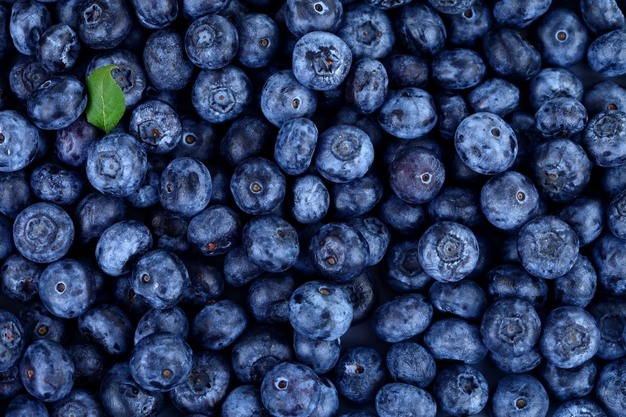
Most blueberries from Nova Scotia are managed by large processors, including Oxford Frozen Foods, the largest global wild blueberry processor, which cleans and freezes the fruit for export in various food products. Additional processing facilities are located in Quebec, Prince Edward Island, and other Nova Scotia regions.
Despite government investments to boost domestic processing, Burgess emphasizes that market expansion remains the industry's primary focus. "We've been working with national and international partners to secure new opportunities, but there's still a lot of uncertainty," he mentioned.
The association has engaged with provincial and federal governments, providing data on the industry's dependence on the U.S. market and the potential impacts on local growers. In 2021, Nova Scotia harvested approximately 23.7 million kilograms of wild blueberries, marking a 37.5 percent increase from the previous year, and the fruit represented the province's highest-value agri-food export.
Burgess states that the industry will continue to monitor developments as discussions progress.
Source: The Hawk