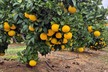
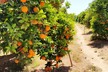
In the cold-hardy regions of South Georgia, South Alabama, and North Florida, citrus groves have been subjected to below-freezing temperatures and unprecedented snowfall throughout the week. The focus for growers is now on assessing the extent of the damage to their groves and strategizing the next steps, which include addressing phytophthora concerns.
According to Kim Jones, a citrus packing facility owner in Monticello, Florida, and part-owner of a similar facility in Tifton, Georgia, the majority of the citrus crop had been harvested prior to the freeze, minimizing exposure. However, the weather has resulted in significant ice formation in the upper parts of the trees, leading to potential leaf and, in some cases, tree damage, especially among varieties other than satsumas. The impact of the freeze on the trees will become clearer in the coming weeks, with older trees showing more resilience due to their thicker trunks and denser foliage.
Growers have been proactive in mitigating freeze damage by applying water to their groves throughout the week. This practice, while protective, leads to concerns about excessive water and the potential for phytophthora, a root disease exacerbated by waterlogged conditions. The situation underscores the importance of vigilant water management and disease prevention in the aftermath of severe weather.
Source: Citrus Industry