Following three days of United States Customs and Border Protection (CBP) raids in Kern County, California in the first full week of January, there are raised levels of concerns about the security of labor in the citrus industry moving forward. "We found it really hard to get people to want to go to work during those days because they were scared," says Bianca Kaprielian, CEO and founder of Fruit World. "It's already bad and now people are scared of being deported or to come into the country. Our industry is now trying to figure out, how is this going to work?"
At California Citrus Mutual, a voluntary, non-profit trade association representing California's citrus growers, president and CEO Casey Creamer says that while the raids were initially characterized as targeted enforcement, growers and shippers reported that the incident was more of a broad sweep. "It's very unusual for the border patrol to conduct that kind of activity, especially so far from the border, so we're very concerned about that," says Creamer. "We're in the middle of harvest so the fear over that incident created shortages of labor. It varied by location and type of operation but a lot of work was halted because people were staying home. Things seem to be back to normal right now."
With California's citrus season deep into harvest, the raids land on top of an already challenging situation for the industry: a general shortage of labor. "We are pretty concerned right now. Every year it's harder and harder to find skilled labor. There are not enough people to do that work and it's impacting us," says Kaprielian, adding that there have been times when Fruit World has had trouble getting fruit harvested in the right timeframe because there wasn't enough labor available. "I've talked to growers who have let fields of vegetables just go because they couldn't get enough labor to harvest them. Every year I feel like it's getting worse."
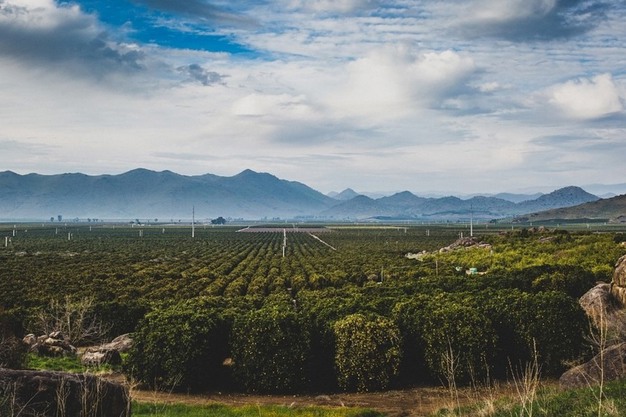 With California's citrus season deep into harvest, the raids land on top of an already challenging situation for the industry: a general shortage of labor. Photo: California Citrus Mutual
New administration's priorities
While the raids happened under the U.S.'s previous administration, newly elected President Donald Trump has escalated immigration crackdown efforts already in his first week in office.
So where does this leave the industry? Organizations such as the International Fresh Produce Association continue to work in the area of H-2A reform, a program that brings in foreign nationals to work temporary agricultural jobs. "We have been involved in the Farm Workforce Modernization Act for some time and those in the industry, congressional representatives, presidents, and more agree there needs to be a fix," says Creamer. "We just haven't been able to get that fix over the finish line."
In the meantime, there are concerns over anything hindering labor availability. "We could see prices increase at retail because it will cost more money to harvest and pack that food," says Kaprielian. "We will need to pay people more and we're not going to have enough because we won't get enough harvested. Ultimately, that's going to get passed down to the consumer to make sure that farmers don't go out of business."
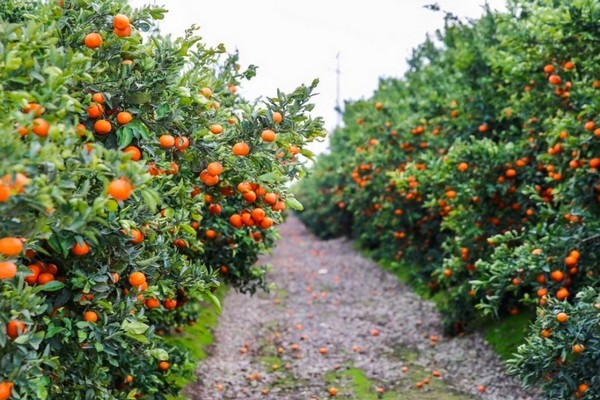
"We found it really hard to get people to want to go to work during those days because they were scared," says Kaprielian. Photo: Fruit World
Employer of choice
To remain competitive in accessing labor though, Fruit World for instance recently became Equitable Food Initiative-certified which Kaprielian believes helps position the company as an employer of choice. "In a tight labor market, it shows our investment in employees and that we value and care about them."
Back at California Citrus Mutual, while it continues to focus on the Farm Workforce Modernization Act, it's also working on educating companies. "We did a webinar on what your rights are, the legalities if U.S. Immigration and Customs Enforcement comes to your operation, making sure paperwork is in order and more," says Creamer. "It's about being as educated and prepared for what's within the bounds of the law. This happened under the previous administration and now the new administration is implementing new policies so we're paying close attention to the executive orders and watching what's happening. They talked about targeted enforcement operations–people who've committed violent crimes and they have a general idea of where they are–and we don't feel like the agricultural employee is at the top of their priority list."
For more information:
Bianca Kaprielian
Fruit World
Tel: +1 (559) 650-0334
https://www.fruitworldco.com/
Abby Peltzer
California Citrus Mutual
Tel: +1 (559) 592-3790
[email protected]
https://www.cacitrusmutual.com/