In Washington, a series of economic challenges are impacting apple farmers, leading to a trend of farmland consolidation. Small orchardists are facing difficulties sustaining operations, with a combination of rising labor costs, stagnant prices, and an oversupply of apples exacerbated by the loss of key international markets. This situation, partly attributed to tariffs introduced in 2018, is affecting the state's apple industry, which is a significant contributor to the U.S. apple market.
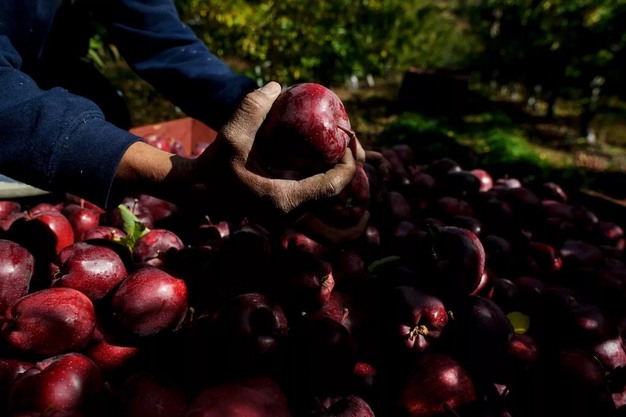
Tim Calhoun, who operates a midsized orchard in the Yakima Basin, highlights the industry's struggles and the shift toward consolidation. The necessity for large-scale operations to maintain profitability is pushing smaller farmers out of the market. This trend is mirrored in the recent agricultural census data, showing a decrease in the number of apple farms and an increase in the average size of orchards.
The economic pressures on apple farmers are multifaceted. Despite advancements in farming technology and efficiency, the price of apples has not kept pace with rising production costs. Labor, a significant portion of operational costs, has seen a marked increase over the years. The oversupply of apples, partly due to more efficient farming practices and expanded growing regions, has also contributed to the issue.
International exports, once a relief valve for excess production, have declined following tariffs imposed on key markets like India and China. This has led to an increased supply within the U.S. market, further driving down prices. The closures of small farms have enabled larger agricultural entities, often backed by private equity, to expand their holdings, creating a cycle that favors large-scale operations capable of weathering economic downturns.
Despite the challenges, some farmers, like Calhoun, remain committed to the industry, driven by a love for farming and the lifestyle it offers. However, the future remains uncertain, with no clear resolution in sight for the difficulties facing Washington's apple growers.
Source: The Spokesman-Review