



China's Shenzhou 19 astronauts are conducting a groundbreaking experiment aboard the Tiangong space station, studying 15 adult fruit flies and 40 pupae. The research explores the combined effects of microgravity and sub-magnetic fields on the insects' behavior, growth, and biological rhythms. Led by Zheng Weibo from the Chinese Academy of Sciences, the study mimics deep-space conditions while maintaining an Earth's magnetic field for comparison. The findings aim to advance knowledge in genetics, neuroscience, and the potential impacts of space environments on living organisms, paving the way for future deep-space exploration.
Related Articles → See More
-
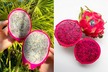
Dragon fruit continues as key flavor trend
-
Date demand outpacing global supply
-

The first estimate for the 2026 Peruvian Hass avocado season points to 7% growth
-
"Frutical exemplifies a new wave of community-oriented, market-connected agro-export companies"
-

Vietnamese fruit exports face EU scrutiny over MRL violations
-
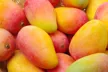
Goa’s malcorado mango prices ease as harvest begins
-
Indian Nunna mango market slows as arrivals and trader numbers decline
-
Kenya restricts avocado transport during nighttime to curb theft in Murang’a
-
Slow export campaign for Tunisian dates this season
-

South Korea expands tropical fruit production as climate reshapes supply