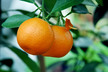
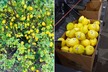
An outbreak of the citrus plant disease Huanglongbing (HLB) has been reported in North Long Beach. HLB eventually kills trees, but trees can be asymptomatic for years. Symptoms can include yellowing leaves, bitter-tasting fruit, and limb and twig dieback (when parts of a plant progressively die, spreading from the outer edges to the inside), according to the University of California Agriculture and Natural Resources.
According to Victoria Hornbaker, director of the CDFA’s Citrus Pest and Disease Prevention Division, the disease was first discovered in North Long Beach in December 2022, and seven infected trees have been found in the area since then. Citrus tree owners should watch for signs of HLB such as: yellow shoots sprouting from the middle of the tree, blotchy yellow leaves, misshapen fruit, fruit that won’t ripen and excessive dropping of fruit.
The CDFA has the authority to test for HLB in areas where an infection has been confirmed, and will go door-to-door looking for citrus trees to test. To test a tree for HLB, CDFA personnel will take around 20 leaves and send them to a laboratory in Sacramento for testing. If a tree is found to be infected with HLB, it will usually be sprayed with pesticide and removed within a week.
Source: sigtrib.com