Arno van Oers has had years of experience with celeriac. This gave him the idea of making celeriac snacks. "Globally, celeriac is a minor crop. We're concerned that, in time, it will become a forgotten vegetable. In the Netherlands, celeriac is known for its use in pea soup and perhaps, celeriac salad. We want to promote this tasty, healthy vegetable," he says.
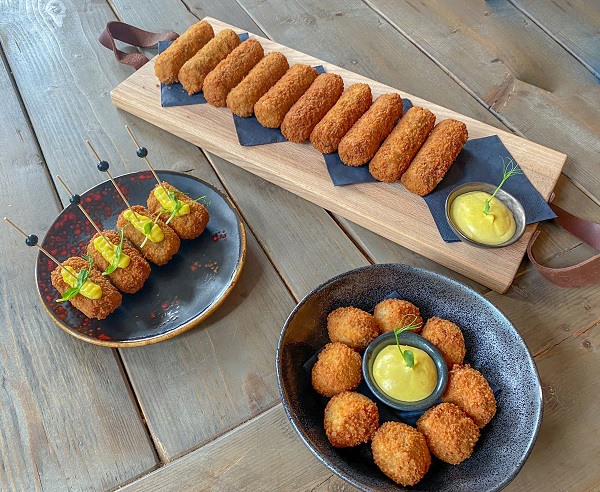
"And what better way to do that than with Dutch croquettes and 'bitterballen'," thought the Van Oers's. This did, however, not happen overnight. They did extensive taste tests with snacks using different vegetables. And each time, celeriac came out tops. They started off making these snacks by hand. These days, a manufacturer produces these snacks exclusively by machine. Margaret van Oers is in charge of sales and marketing.
Unique
Not the easiest task during a global pandemic, when you are targeting the hospitality industry. Yet they succeeded, and the celeriac snacks - 'apio' means celery/celeriac in Spanish - are now on two Dutch national supermarkets' shelves. Several regional restaurant wholesalers carry them too. The goal is to get all these wholesalers to include these vegetable snacks in their assortments. Apio Snacks also delivers directly to eateries. And to generate sales and brand awareness during the lockdown to consumers via social media.
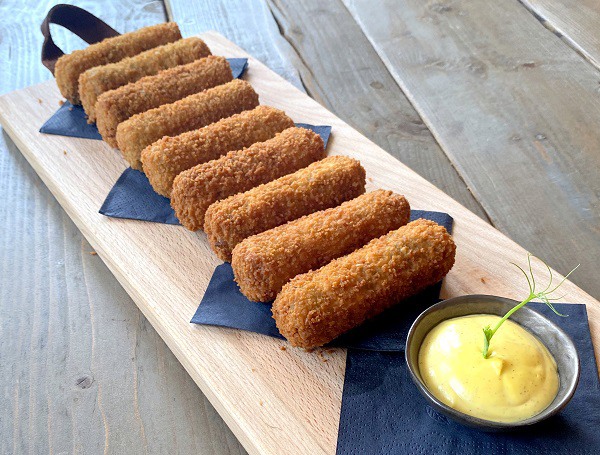
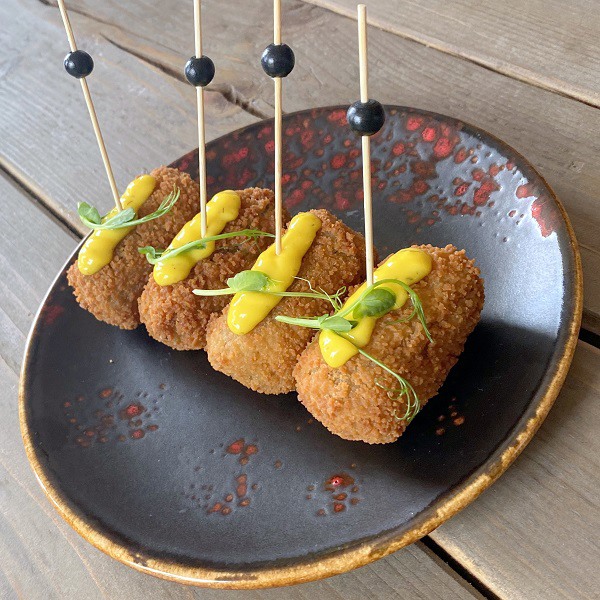
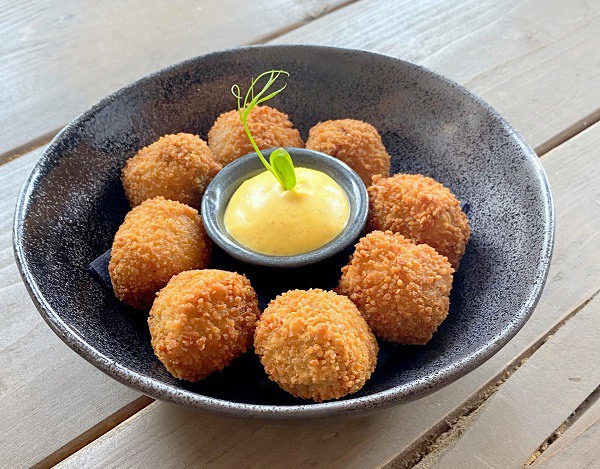
"People love this product," says Margaret. Currently, the range includes croquettes, tapas croquettes, and 'bitterballen' (Dutch meatballs). All made from creamy celeriac ragout. The company is developing new products too. The celeriac-based snacks fit perfectly into the current focus on a more plant-based diet. Still, it is not intended to appeal to only a select target group. "Apio Snacks are suitable for people who want something different. We want to bring something unique to the market," she concludes.
Margaret van Oers
Apio Snacks
T: 06-42509802
E: [email protected]
W: www.apiosnacks.nl