“Sales are going well,” says Maikel Stam of Stam-Schaap Agro. This Dutch company focuses on growing, selling, and processing red beets. Maikel attributes this to the COVID-19 issues, among other things. "Consumers want healthy vegetables. They were also busier in the kitchen, particularly when the eateries were closed. Beets are age-old vegetables that fit in well with current times." Things look good on the supply side too. Maikel reports that the harvest was good, as was the quality. "We're not dissatisfied."
Processed or raw?
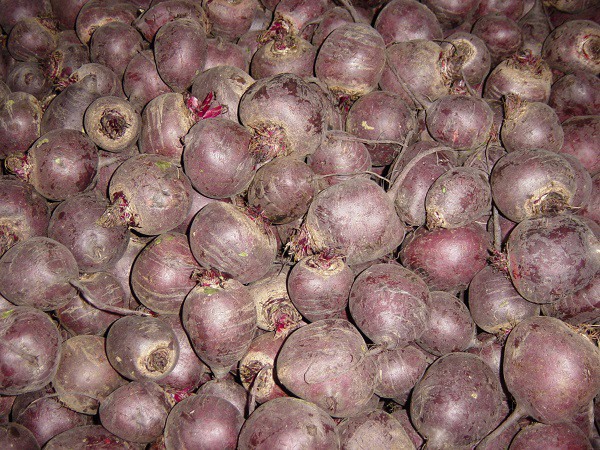
The red beet grower says there is a market movement toward more processed products like shredded, cubed, cooked, and vacuum-packed beets. "Those items sell well," he says. Raw beetroot that people have to peel and cook themselves is gaining popularity again. Large beets are usually destined to be sold raw.
Eastern Europe is Stam-Schaap Agro's largest sales market for those. Those countries use lots of these vegetables in their local red beet soup, borscht. Small beets are more suitable for cooking and vacuum packing and are more often marketed in the rest of Europe. Maikel sells these tubers to traders, supermarkets, factories, and industrial kitchens.
New markets
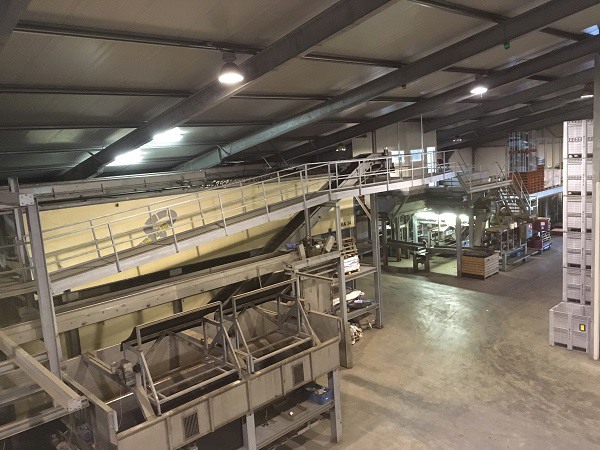
Beetroot acreage has not increased. Yet sales on new markets have, primarily for new uses and products. In the hospitality industry, for example, yellow and white Chioggia beets are popular, as is red beet carpaccio. Demand was, however, understandably at a standstill when restaurants were closed. Red beet chips and juice, too, are gaining popularity. In the sports world, these supposedly increase stamina. "Demand for those items has increased in recent years," says Maikel.
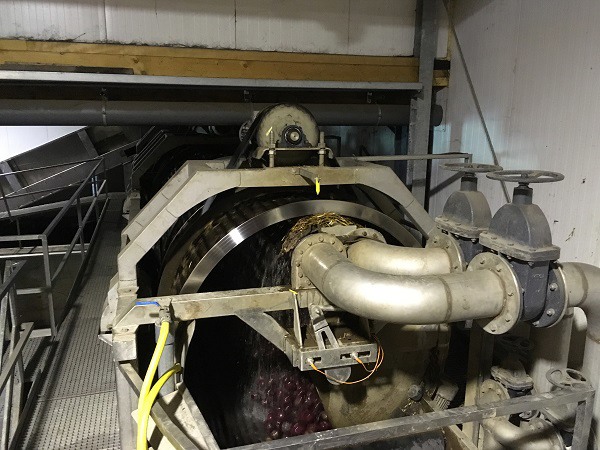
He expects his sales to increase. "I think red beets will definitely be getting more attention. That should eventually lead to increased market opportunities for growers. It's a very healthy product that's getting positive press." He thinks beetroot consumption will rise, and it will find new uses. He cites cooked mini beets as an example. These are already sometimes offered as a snack vegetable. "These are nice developments that I hope will continue."
PlanetProof
Stam-Schaap Agro grows PlanetProof certified red beets. Stam explains that he has deliberately chosen to move towards organic cultivation. Stam-Schaap Agro focuses on the environmentally responsible cultivation of this product. For the last four years, it has been doing so with this PlanetProof quality mark. The grower selects optimal plots, does good drainage, and reduces crop protection agents use.
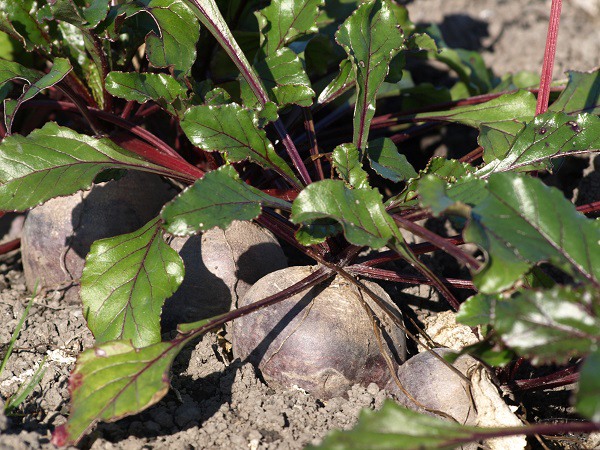
Maikel says you can replace those with natural agents. Though you have to use the natural substances more frequently. That, in turn, increases the cost price and workload. "Beetroot grows well with few chemicals. We try to grow a healthy crop of good beets. Leaves are the roots' factory. If those are fresh all year, you get a healthy tuber. Ultimately, it's about growing tubers that are as healthy, flavorful, red-fleshed, and as round as possible," he concludes.
Stam – Schaap Agro BV
Maikel Stam
De Leet 12
1645 VK Ursem
Tel. : 06 - 517 20 763
www.stam-schaap.nl
[email protected]