More and more supermarkets are marketing certain apples or, in some cases, pears exclusively in their stores. Moreover, they're also increasingly involved in their production.
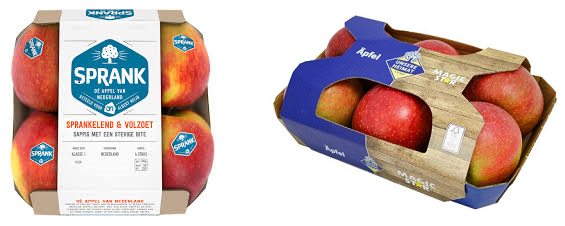
Sprank and Magic Star
Exclusivity
Supermarkets seem to, for example, prefer the SQ 159 apple variety in particular. Belgian retailer, Colruyt, markets the apple under the name Magic Star in Belgium and Luxembourg. In Germany, the Magic Star is stocked exclusively by Edeka. And Tesco has exclusive rights for the UK. There it's known as Magic Star or Kentish Kiss. In the Netherlands, it's called SQ 159 Sprank, and Albert Heijn sells it. The SQ 159 is best known under the brand name, Natyra. As such, it's organic. The organic market has no buyer exclusivity. Colruyt has become very taken with this.
It recently introduced the exclusive Coryphée apple variety. These are grown by the Johan Nicolaï nursery. The supermarket chain, Sainsbury's, sells only Zair apples. These are an Elstar/Delbardestivale hybrid. In Belgium and Germany, Lidl sells only Red Modoc pears. These come from the Vegro fruit and vegetable company. Lidl considers this direct cooperation with Vegro an advantage. The company can then ignore auctions and wholesalers. Isabelle Colbrandt, a spokeswoman for Lidl, says, "That positively affects not only on the grower's price but store prices too."
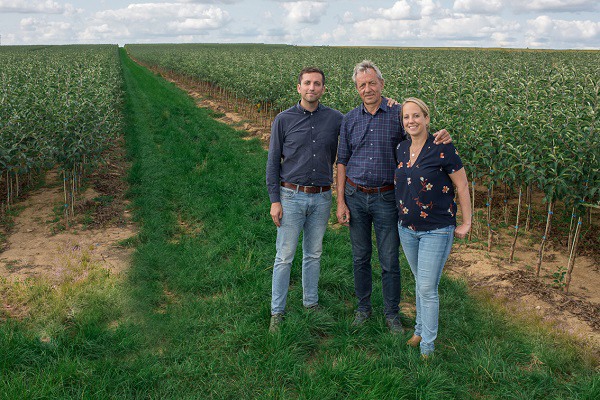 Nicolai family
Distinction
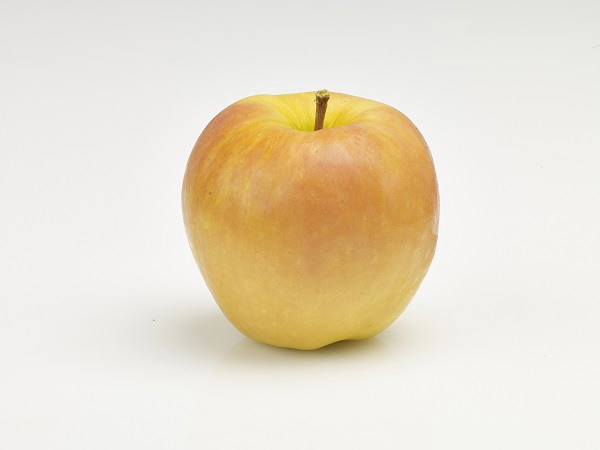
Johan Nicolaï has seen a rapid rise in supermarkets' interest in exclusive varieties. For instance, Zouk (Johan Nicolaï's breeding division) has introduced a new apple. The Zouk31 is sold under the name Rubis Gold. That was done exclusively for Earth Market for the EU, Switzerland, and Morocco markets. Johan says this apple - which is juicy, crisp, and tangy - was initially sold exclusively by the French chain, Grand Frais. In consultation with this supermarket, sales were extended to the European retail sector.
They based this expansion on cultivation and quality requirements. "It's exciting that marketing feedback from consumer purchases influences each consequent developmental phase. This apple is provocative because of its unexpected match between color and flavor. Color requires a lot of marketing but looks great on the shelf. It has also been agreed that local farmers will grow these products in each Western European production region. Export outside the EU will be coordinated among the partners."
Johan thinks more progressive supermarkets to become increasingly involved in the development of new varieties. They could even supply other supermarkets. "Various sizes and qualities can be purchased according to need. Then, exclusive production can provide all the sizes and qualities. The supermarkets have to use all these. The stores could do this in their own channel. They could consider, say, fruit juices. Or selling apples of certain sizes and qualities to other supermarkets. These stores may be looking for, for example, slightly smaller apples."
 Zouk31
Club varieties
Nicolaï considers the supermarkets' interest in exclusive top fruit varieties to be a response to some club varieties' success. "Supermarkets need club varieties like Pink Lady but don't earn much from them. The club is too strong." Many people think Pink Lady is a local Belgian or Dutch apple. That's not the case. The corona crisis has heightened attention for local products. "Were Pink Lady not in the picture, there'd be a big gap in the assortment. To prevent this, supermarkets want to become involved in developing new apples."
And pears?
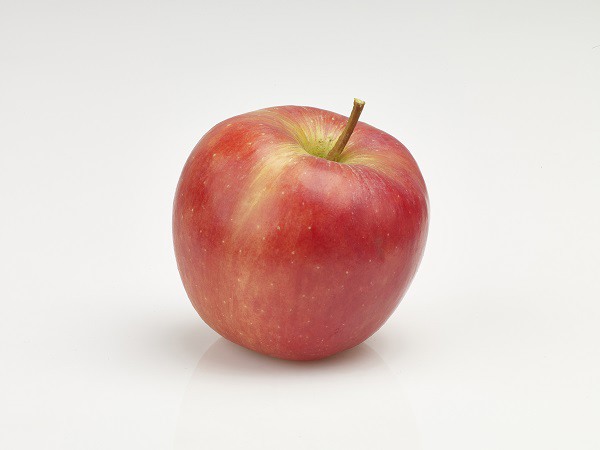
The nature of the fruit explains apples' increased attention, says Johan. "Apples have a very specific texture. It's unusual. No other fruit has that same texture. Neither do pears." But there's also a lot of variation in apples' flavor and appearance. He also sees less potential for pears. "People don't eat nearly as many pears as apples." Johan says you can only eat pears a few days after you've bought them.
"That no longer suits consumers. They want to get it today and consume it that same day. That's very difficult with pears." This affects supermarkets' decisions to focus less on selling exclusive pear varieties. It also takes much longer for pear trees to bear fruit. And pears have lower per hectare yields. Higher prices are needed to be profitable, Nicolaï explains. "The question is whether supermarkets will commit to that type of product. That has to be proved."
 Zouk32
Non-exclusive varieties
Besides these developments, Johan believes there certainly room for growing non-exclusive varieties. The top fruit sector is, however, facing challenges. Addressing consumers' needs is one of them. "If you want to attract consumers, you have to bring variation." He mentions the trays with six apples of the same kind as an example. That actually reduces consumption. One family member might prefer Jonagolds, while another prefers Elstars or Granny Smiths. "You must introduce a varied supply of apples to families."
"Then, I'm sure consumption will increase. If each family member gets an apple they like, they'll eat more of them." Top fruit farming often ends up being unprofitable. The focus on exports is one of the reasons for this. Nicolaï thinks the Belgian top fruit sector should focus its production on local retailers' requirements. Limited exports to Germany and the United Kingdom can supplement that. This would result in an improved earning model. "We've lost touch with the market. The sector needs to learn to grow for the local market; then things will improve. You must keep reinventing yourself," Johan concludes.
Voor meer informatie Johan Nicolai
[email protected]
Zouk bvba
Lichtenberglaan 2050
3800 Sint-Truiden - België
+32 11/70 20 00
[email protected]
www.zoukbvba.be