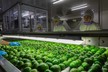
According to the National Chamber of Pineapple Producers and Exporters (CANAPEP), Costa Rica produces 2.9 tonnes of pineapple per hectare, even more than the Philippines (2.5t/h) and Thailand (1.9t/h). Within 15 years, it became the world’s leading exporter of fresh pineapple, selling mainly to the European Union (44 per cent) and the United States (53 per cent).
From 8 to 10 October, Costa Rica, a small central American country of 5 million people, a trailblazer and model of ‘green’ development, hosted a preparatory meeting for the COP 25 climate change conference.
Carlos Manuel Rodriguez, Costa Rican minister of the environment and energy: “This ministry, with an annual budget of US$120 million and a staff of 2300 people, is bigger than that of much larger countries, such as Mexico or Colombia, and bigger than all the other environment ministries of central America put together,” says Rodriguez in an interview with Equal Times.
Environment damaged by intensive pineapple production
Whilst Costa Rica boasts many virtues, one sizeable paradox remains: intensive farming and the excessive use of chemical products that damage the environment and people’s health. How can it be that a country so dedicated to sustainable development is also the country that uses the most pesticides per hectare in the world (almost 20kg per hectare, according to Costa Rica’s Institute for Research into Toxic Substances – IRET)? “The figure for pineapple reaches 45kg per hectare. It is 70kg per hectare for banana, and 3kg per hectare for coffee,” says IRET researcher Fernando Ramirez Munoz.
The situation is particularly alarming in the pineapple sector. “Pineapple producers, mainly foreign companies, use dangerous products on a massive scale, such as bromacil and ametryn, which have long been banned in Europe, and diuron, which is banned in France. These pesticides pollute water, harm aquatic fauna, and provoke skin, nervous system and gastric disorders among the local communities. There are fumigations almost every week. Bromacil was banned in Costa Rica by a decree passed in 2018, but it is still being used as the ban only covers imports, not the use of existing stocks,” Fabiola Pomareda, a Costa Rican journalist specialising in environmental issues.