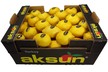
In what may seem like a curious tradition, the Japanese practice of bathing with yuzu on Winter Solstice –Saturday December 22, this year– is said to help promote beauty, health and general well-being. Yuzu, a lemon-like native Japanese citrus with a distinctive refreshing aroma, has been lauded for centuries for its health-providing properties of vitamin C, A, calcium and citric acid.
Each Winter Solstice, many baths around Japan will have these bright-yellow fruit bobbing around. Known as yuzuyu, these baths are believed to fortify against winter cold and flu, while enzymes from the oil of the peel is thought to help soften the skin and improve digestion.
That’s not all: many Japanese also believe that the bright aroma can aid in calming and revitalising the mind. The fact that yuzu is a hardy tree has a role to play in this too, as many hope that this tough survival quality can be passed into the bath as well.
Source: timeout.com