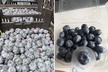
Maine's blueberry crop could be 36% lower this season
The New England state is the wild blueberry capital of the U.S., and in recent years crop sizes have soared and prices have plummeted, bringing uncertainty to a key state industry.
The crop grew a little less than one percent last year to almost 102 million pounds (46 million kilograms), while prices hit a 10-year low of 27 cents per pound to farmers.
University of Maine horticulture professor David Yarborough said "mummy berry" disease, a crop-killing ailment caused by a fungal pathogen, and other factors could cut the crop as much as 36 percent this summer.
Yarborough said a shortage of pollinators like bees, a lack of rain and some localized frost issues have also held back the blueberry crop. Another factor influencing the crop size is that farming effort appears to be down this year, possibly influenced by the low prices to farmers, he said.
The high crops of recent years have taken a toll on the industry due to oversupply. The U.S. Department of Agriculture approved up to $10 million to purchase surplus Maine blueberries last month in an effort to prop up prices. The USDA also made a similar move in 2016.
Blueberry commission executive director Nancy McBrady said this month she doesn't see the potential small crop as a negative but rather a chance to start correcting the industry's oversupply issues.
"A smaller crop could provide almost a reset, if you will," she said. "A balance between supply and demand."
Read more at usnews.com