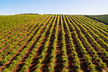
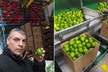
The Ministry of Agriculture has official confirmed that the Gaza Strip was able to reach a state of sufficiency in citrus crops of 65%, after having reached a cultivated area of 18 thousand acres, yielding a production of up to 28 thousand tonnes of various items.
The director of the tree horticulture department of the Ministry of Agriculture, Mohammad Abu Odeh, said in an interview to the newspaper "Palestine" that the sector has also managed to achieve self-sufficiency in some crops and exports the surplus to the West Bank and neighbouring countries.
He explained that citrus is one of the pillars of the agricultural economy, and that his ministry considers it very important to reach full self-sufficiency.
Abu Odeh said that citrus cultivation in the area reached its peak in the seventies and early eighties of the last century, "when there were 72 thousand acres in the Gaza Strip planted with citrus, yielding a production of more than 200 thousand tonnes."
What's most encouraging is that the deficit in citrus self-sufficiency in 2016 is down to 35% from last year's 40%, adding that "there is, however, a surplus in certain varieties, which have allowed us to export 300 tonnes of Valencia oranges and 1,300 tonnes of lemons to the West Bank and neighbouring countries."
Abu Odeh explained that the region's citrus consumption amounts to about 40 thousand tonnes, noting that the current deficit of about 35% (12 thousand tonnes) has to be covered with imports from abroad.
Source: felesteen.ps