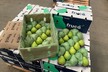
According to the USDA's Gain report on deciduous fruit in Brazil, the total planted area for apples in the country in 2016 is estimated to decrease to 34,664 hectares, a 4 percent decline, as the planting of new trees is limited by the higher costs of production. Planted areas for apples have been following a downward trend during the past few years.
The reason for the reduction in the area is mainly driven by three factors: economic problems in the sector, severe weather conditions, and the eradication of old orchards, which were showing low productivity in recent years. Some producers claimed dissatisfaction with the profit margins, and did not show any interest in replacing eradicated trees and planted other crops instead.
Santa Catarina continues to be the main apple-producing state in Brazil, accounting for 48 percent of total area, followed by Rio Grande do Sul with 47 percent. Brazil mainly produces three varieties of apples: Gala, Fuji and Eva.