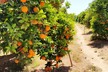
Florida's citrus growers found themselves feeling very lucky on Sunday 9 October as Hurricane Matthew passed by their crop.
“First and foremost, we were incredibly lucky the storm jogged 30 miles east after leaving the Grand Bahamas,” said George Hamner, president of Indian River Exchange Packers in Vero Beach, a citrus grower who manages about 4,000 acres of mostly grapefruit along the East Coast, which felt the brunt of Matthew’s impact.
“We missed all that wind and rain, nothing like the surge they got in Jacksonville and Northeast Florida,” Hamner said Sunday. “We were all scared to death before the hurricane. The trees look healthy enough. It looks like the trees survived the sustained higher winds. At the end, we do have our crop. What little damage we have is scattered.”
Before Matthew’s fortunate jog to the east, which kept hurricane-force winds off shore as it passed the state’s biggest grapefruit-producing area in Indian River and St. Lucie counties, growers feared a repeat of 2004.
That year, Hurricanes Frances and Jeanne blew most of the region’s grapefruit crop off the trees in September, reducing an estimated harvest of more than 20 million boxes to just 4 million boxes, said Doug Bournique, executive director of the Indian River Citrus League in Fort Pierce.
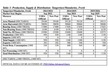
Statewide, the 2004-05 grapefruit crop fell to 12.8 million boxes from 40.9 million boxes harvested the previous year as a result of damage by Frances, Jeanne and Hurricane Charlie, which blew in from the Gulf Coast through Central Florida in late August.
The storm winds damaged grapefruit most because of the fruit's larger size.
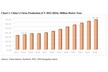
The Florida grapefruit crop never recovered the 2003-04 level, as the fatal bacterial disease citrus greening swept through the state, beginning in 2005. Growers produced just 10.8 million grapefruit boxes in the 2015-16 season.
Hamner declined to estimate a percentage of the grapefruit crop lost immediately to hurricane winds, but he said most trees have dropped as few as five to 10 pieces over the weekend.
The hurricane had even less of an impact on local orange groves, Hamner said.