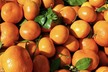
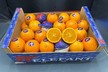
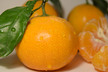
Since the expansion of groves began in the late 1990s, California’s mandarin plantings have increased tenfold, and the state now harvests 92 percent of the nation’s mandarin orange crop; thanks to new offerings and deft marketing, mandarins have become a fixture in the American fruit bowl.
While California's harvest has increased, Florida, troubled by citrus greening disease and obsolete varieties with seeds, has had its share drop to 8 percent, from 66 percent.
The U.S's consumption of mandarins has doubled, to 5 pounds a year for every American, while orange sales have declined.
Several forces converged to ignite the California mandarin boom. Consumers increasingly demanded convenient, easy-to-eat fruits like blueberries and seedless grapes. In the 1970s, Spain started exporting clementines — seedless and easy to peel, with excellent flavor — to the Eastern United States, and that trade increased significantly after a devastating California citrus freeze in 1990.
Two varieties of seedless, easy-peeling mandarins, adapted to mechanized packing, became available to California growers, and horticulturists figured out how to grow seedless clementines, a type of mandarin, in the harsh climate of the San Joaquin Valley.
In the late 1990s, two companies with deep pockets and marketing savvy, Sun Pacific and Paramount Citrus (now Wonderful Citrus), gambled big with huge mandarin plantings on the Maricopa Highway, 25 miles southwest of Bakersfield, where they were isolated from other citrus whose pollen could make the fruit seedy.
The bet paid off spectacularly. Mandarins from the two companies, sold as Cuties and Halos, now dominate the U.S. market; these and a few other brands of reasonably priced, seedless and easy-peeling fruit have become a staple.
As often happens, however, industrialization has exacted compromises. There are two main types of mandarin in Cuties and Halos boxes, and the earliest of these to ripen — yellow-orange clementines marketed from November to mid-January — requires a more Mediterranean climate to produce the juiciest, most flavorful fruit. The chief clementine variety grown in California, Clemenules, is larger but less sublime than the original varieties, Algerian and Fina.
The supremacy of the two big companies and two mandarin types has forced medium and smaller growers to think outside the Cuties and Halos box — to exploit seasonal and regional niches, and to market distinctive premium varieties.
As for the future, the mandarin boom may be peaking. Most major growers feel that the market is getting saturated, and that California plantings will soon stabilize. But whatever happens, mandarins have arrived, and now is the time to try them.
Source: seattletimes.com