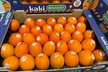
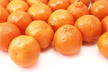
Throughout theworld, consumer fruit trends are changing, the demand for easy to peeltangerines increases, seedless varieties, dark orange or red in colour arepreferred; Turkey, a global export expert in citrus, has set to work.Particularly due to the fact that new tangerine varieties are taking theirplace in the world market, industry representatives, as well as the Food,Agriculture and Livestock Ministry have also stepped in to create new varietiesfor the Turkish market.
World fruit and vegetable trends diversifying
“People don’t want to eat seeded tangerines nowadays,” says Hekimoglu. The Mersin Agriculture Platform, an MTSO organisation and professional committees, carried out studies concerningnew citrus varieties which are about to be brought to Turkey; Hekimoglu states,Turkey’s citrus industry, especially in the Mersin district, is the most importantfruit production group. In terms of this, Mersin is a serious leader inproduction in Turkey, especially for lemons, and in the whole of Turkey, 70% ofcitrus exports are from the Mersin district. “Fruit and vegetable consumer trendsin the world are changing. In agriculture, especially in citrus fruits, ifTurkey wants to be part of the international market we need new varieties, newflavors, new tastes, new colors and new demands that must be based on theseason.”
Turkey’s tangerine varieties need direction
According toHekimoglu, for the last 10-15 years in Turkey, citrus varieties have neededto change, concerning this the Ministry affiliated research institutes anduniversities in the relevant sections have carried out some studies, but theydid not gain the desired results. Two years ago in Erdemli, the CitrusPromotion Group and Alata Horticultural Research Institute began studiesdirected at citrus varieties, Hekimoglu provides, ”In Turkey, inthe Cukurova region principally, the varieties have begun to change even thoughproduction has been very limited for the 2 months of the season, Hekimoglunotes “When you look at the importantcountries producing and exporting citrus to the world, these are mainly Spain,America, South Africa, Chile and Latin American countries like Argentina. Forthe past 10-15 years they have also been trying to widen the range of theproduction season. Starting in September running to April, the tangerinegrowing season can provide for both domestic and foreign markets. We have seensuch a trend when examining world markets.”
Two years ago,MTSO in collaboration with the University of California conducted a specialstudy and project on the tangerine seedbed there which is free of viruses anddiseases, and a custom list was created, explains Hekimoglu, the world markethas been aware of tangerines for 10-20 years but the varieties still haven’t reached Turkey or they have remained just research.
47 new types of root cuttingsbrought from California’s citrus republic began as a pilot in the first years, after the 1970sin Turkey exports began in earnest and today citrus makes up 40% of fresh fruitvegetable exports and provides over 340 million Euro of income, notesHekimoglu. “This sector is important for Turkey.World changes and developments follow us in this current system and we neededto revitalise our varieties. he continues, "For this purpose, we also looked at new cuttings andin March 2015, 47 pieces were brought to the Alata Research Institute fromcentral California. There are 15 more important tangerine varieties missing.But we will stay with the standard varieties.”
2-3 foldincrease value with the same amount of export tonnage“These studies develop the rightvarieties and strains, by giving the proper support, we want to achieve a goodvariety for this sector in Turkey. Inparticular the so called ’ tangerinegroups, in the 8 months of fruit production, we can export the same amount ofTurkey’s citrus fruits but increase profit2-3 fold. As this is the only tangerine project, the earliest we will seeproduce is in 5 years, then farmers can start pre-trial production in thefields. For 8-10 years the studies will be on these. Yet, in 5-6 years I believewe will see the first new varieties in Turkey.”
Only exportingto Russia
In recent yearsTurkey has only been able to export to the Russian market; the most importantreason for being unable to export citrus to other markets is the lack ofvariety, the existing varieties are considered out of fashion, the market islooking for different tastes and aromas. The emphasis is now on creating highadded value for the international markets and paying attention to globalchanging trends.
No demand seededvarieties
On the globalcitrus market tangerines constitute 40-50%, particularly seedless varieties,Hekimoglu states, “People don’t want to buy difficult to peel varieties like the Fremont or Robinson.EU countries and the Far East market consume around 60-70%. Nowadays thegrapefruit market has become more stable, globally the orange market has a highshare, because in the industry consumption is higher, tangerines are bothedible, fresh and have use in the industry, being at the same time medicinal andaromatic for cosmetic use, together with lemon in the pharmaceutical industry,there is a seriously high demand for tangerines. In the coming 10- 15 years itlooks as if tangerines will become the citrus giant, taking first place andputting lemons second in terms of demand.”
Tangerines to take firstplace on global market’s and the international markets.Removing grapefruit and orange trees and then replanting the old tangerinevarieties, we aim to create a widespread tangerine season. If we turn to thespecific wants of the world, and grow high added value produce, if the ministryprovides the necessary financial support, if non-governmental organisationsprovide the necessary technical support and if we increase the varieties ofcitrus with the tangerine, I believe that in the next 5-10 years Turkey canobtain 2-3 more income with the same volume and will be able to export withease,” Hekimoglu concludes.
Source: milliyet.com.tr