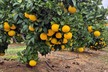
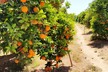
Valencia hybrids could replace Hamlin oranges
That's because plant breeders at the Citrus Research and Education Center in Lake Alfred have developed two new Valencia orange hybrids ready for harvesting as early as December, three months earlier than current Valencias, Jude Grosser, one of those breeders, told about 350 participants at the Florida Citrus Growers' Institute seminar on Tuesday.
Most Florida growers plant several orange varieties that mature at various times during the Florida citrus season, which begins in October and runs into June.
The Hamlin is the most widely produced among early and mid-season varieties harvested from October to March. Because they take longer to mature, Valencia oranges don't get harvested until March.
But Valencias have better juice quality, including more sweetness and a darker orange color, so processors pay growers a higher farm price, an estimated 18 percent higher in the 2014-15 season, for Valencias. Juice processors buy 95 percent of Florida's annual orange harvest.
The new Valencias, still known by their scientific designations B7-70 and SFW14-75, have similar juice quality to the current late-season oranges but can be harvested as early as December and certainly by January, Grosser said. They also tolerate citrus greening infection better than Hamlins, although not significantly better than existing Valencias.
Tolerance means the plant shows fewer symptoms and less damage from infection.
Click here to continue reading at theledger.com.