According to AIRC (Italian association for the research against cancer), consuming excessive food of animal origin increases the risk of tumour. There is no proof though that moderate consumption has negative effects on our health.
This is how the new "reducetarian" diet was created: reduce the quantity of meat (red meat, poultry, seafood, and the flesh of any other animal) we eat and choose better quality meat when we eat it. The term was coined by Brian Kateman, a researcher at Columbia University.
Reducetarianism is an identity, community and movement composed of individuals who are committed to eating less meat. The concept is appealing because not everyone is able or willing to completely eliminate meat from their diet.
There are at least three advantages:
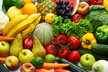
- less meat and eating more fruit and vegetables you live longer, healthier and happier;
- you can set manageable and therefore actionable goals to gradually eat less meat;
- eating less meat is good for the well-being of animals and the environment, because greenhouse gas emissions and the need for water are reduced.
Reducetarianism invites you to eat less meat for at least thirty days. After one month, the hope is that it will become more of a lifestyle than vegetarianism which, according to a poll conducted by the Humane Research Council, is abandoned by 84% of people.
Here are a couple of suggestions to make it easier: if you eat meat for lunch, skip it for dinner. Choose a day of the week in which you do not eat meat. Reduce portions.
For further info: www.reducetarian.com